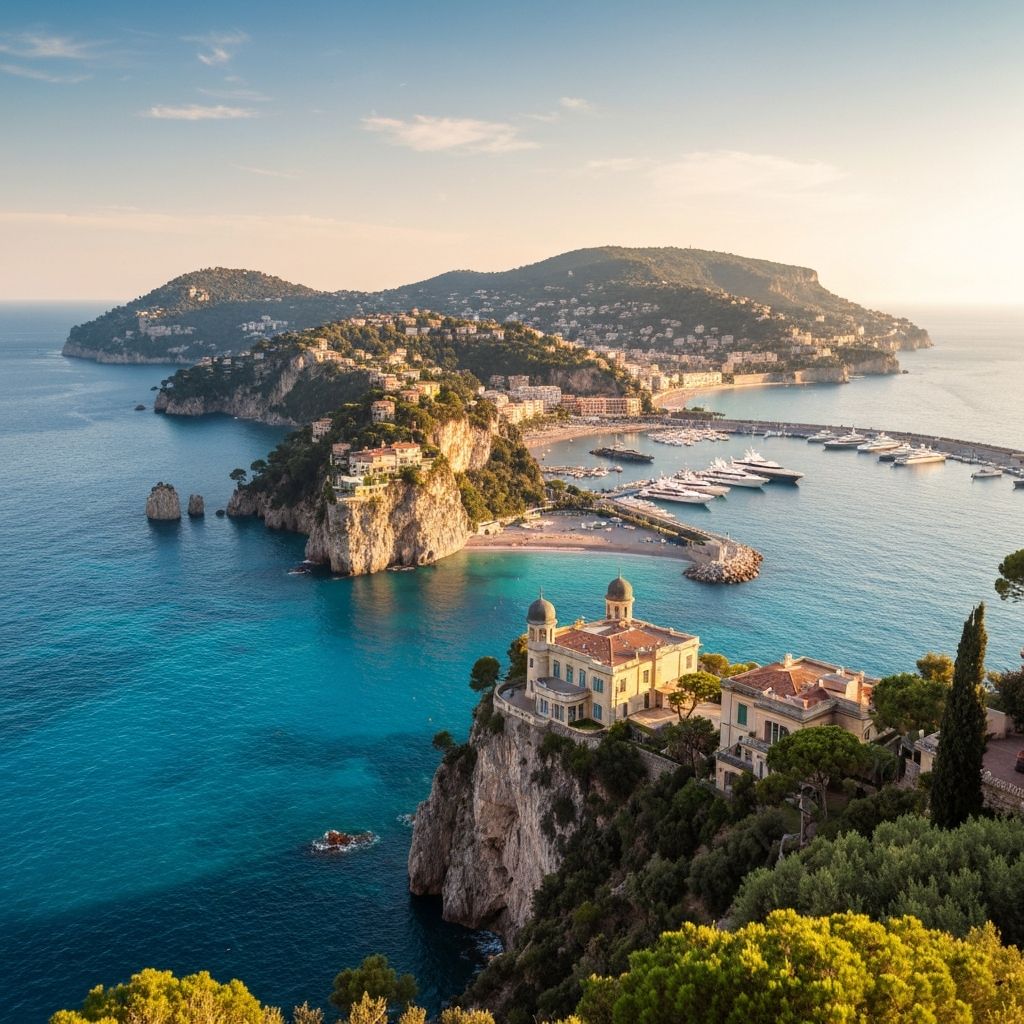
The French Riviera—a 120-kilometer stretch of Mediterranean coastline where azure waters meet Belle Époque grandeur—has long stood as the world's most storied destination for luxury weddings, yacht retreats, and aspirational living. From the glittering harbor of Monaco to the bohemian shores of Saint-Tropez, this legendary coastline has captivated royalty, artists, and discerning travelers for over a century. Today, it remains the ultimate canvas for orchestrating celebrations that transcend the ordinary, offering an intoxicating blend of old-world sophistication, cutting-edge gastronomy, and nautical elegance that few destinations can rival.
In this definitive guide, we explore the art of curating once-in-a-lifetime experiences along the Côte d'Azur—from choosing between the exclusivity of Monaco and the sun-drenched allure of Saint-Tropez to navigating the logistics of château weddings, sourcing Michelin-starred seafront dining, and embracing the yachting lifestyle that defines this storied coast. Whether you're planning an ethereal seaside ceremony or seeking a post-wedding retreat aboard a private superyacht, the French Riviera offers an unmatched stage for life's most precious moments.
The Golden Era: A History of Glamour on the Côte d'Azur
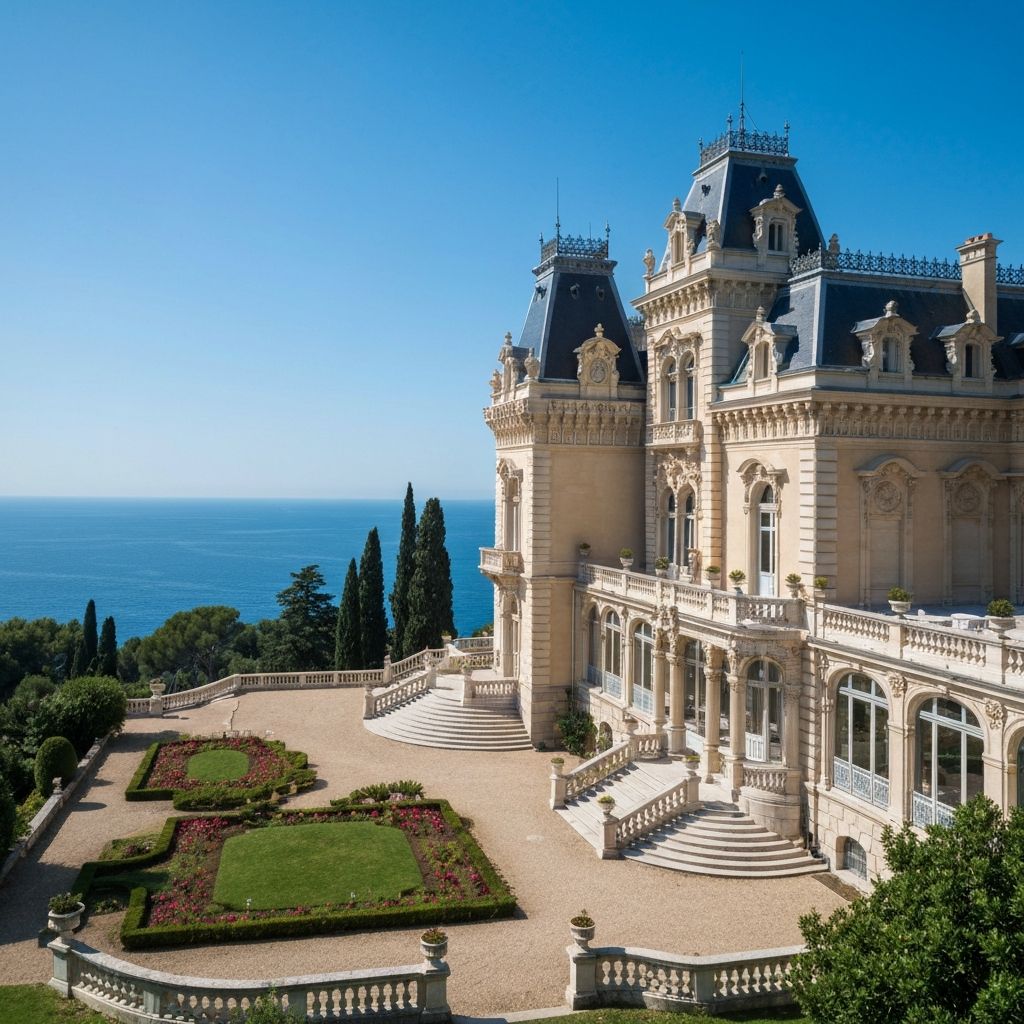
The French Riviera's transformation into a global symbol of luxury began in the mid-19th century when European aristocracy discovered the region's mild winter climate and dramatic coastal beauty. What started as a health retreat for British nobles evolved into a playground for the world's cultural elite during the Belle Époque—a period that saw the construction of grand hotels, palatial villas, and ornate casinos that still define the region's aesthetic today. F. Scott Fitzgerald immortalized this era in "Tender Is the Night," capturing the intoxicating blend of hedonism and refinement that characterized 1920s Riviera society.
The post-war years cemented the Riviera's reputation as cinema's most glamorous backdrop, with the Cannes Film Festival (founded in 1946) drawing Hollywood royalty to red-carpeted yacht parties and exclusive villa soirées. Grace Kelly's marriage to Prince Rainier III of Monaco in 1956 epitomized the region's fairy-tale mystique, establishing a template for sophisticated coastal weddings that endures today. This rich historical tapestry—where literary giants penned masterpieces, Impressionist painters captured the luminous Mediterranean light, and jet-setters redefined modern leisure—provides an incomparable setting for couples seeking to write their own chapter in Riviera lore.
Saint-Tropez vs. Monaco: Choosing Your Ethereal Backdrop
The choice between Saint-Tropez and Monaco represents a fundamental decision in Riviera wedding planning—one that shapes every subsequent element from venue architecture to guest experience. Monaco, the world's second-smallest nation, offers unparalleled exclusivity and regal grandeur. Its iconic Monte-Carlo district features legendary venues like the Hôtel de Paris Monte-Carlo and the Opéra de Monte-Carlo, where couples can host ceremonies in spaces that have welcomed European royalty for generations. Monaco's compact geography ensures logistical simplicity—guests can walk between luxury hotels, Michelin-starred restaurants, and ceremony locations, while the principality's famous casino and yacht-lined Port Hercules provide built-in entertainment.
Saint-Tropez, by contrast, embodies a more bohemian-chic aesthetic that appeals to couples seeking intimacy and artistic flair over institutional grandeur. This former fishing village turned cultural icon offers hidden beach clubs like Club 55 (where Brigitte Bardot once lounged), secluded coastal villas with private beaches, and a vibrant art scene rooted in its Fauve painting heritage. While Monaco delivers Swiss-level precision and year-round accessibility, Saint-Tropez shines brightest during the May-September season when its legendary nightlife, yacht regattas, and outdoor dining culture reach peak vitality. Budget-conscious planners should note that Monaco's infrastructure and prestige command premium pricing—venue rentals at top hotels can exceed €50,000—whereas Saint-Tropez offers greater flexibility through private villa rentals and smaller-scale beach venues that can accommodate luxury weddings at a broader price range.
Château Nuptials: The Logistics of a Royal French Wedding
Orchestrating a wedding at a French Riviera château demands meticulous coordination across multiple regulatory and logistical domains. France's legal marriage requirements stipulate that civil ceremonies must be conducted at a town hall (mairie) by a government official, with symbolic château celebrations serving as the aesthetic centerpiece. Couples typically schedule the civil ceremony 1-2 days before the château event, often in an intimate setting with immediate family, reserving the grandeur of the château for the larger celebration witnessed by 80-150 guests. Top-tier wedding planners like Lavender & Rose Weddings or Cocoon Events charge €15,000-€40,000 for full-service coordination, handling everything from French translation services and vendor negotiations to navigating the complex permitting required for amplified music at historic estates.
Venue selection should prioritize châteaux with comprehensive infrastructure—on-site accommodations for 20-40 guests, commercial kitchens that meet health standards for catered events, and existing relationships with luxury rental companies for furniture, lighting, and tent installations. Properties like Château de la Napoule (a medieval castle overlooking the Lérins Islands) or Château de la Chèvre d'Or in Èze (with panoramic Mediterranean views from 400 meters above sea level) offer turnkey elegance but require bookings 18-24 months in advance for peak-season dates. Weather contingency planning is non-negotiable: while June through September offer near-guaranteed sunshine, the mistral wind that occasionally sweeps the coast can disrupt outdoor ceremonies, necessitating backup indoor spaces or sturdy tent structures rated for 50+ km/h gusts.
Hidden Palaces: Exploring Private Belle Époque Villas
Beyond the Riviera's famous hotel palaces lies a discreet network of private Belle Époque villas—architectural masterpieces built during the region's late 19th-century golden age—that offer unparalleled intimacy and historical authenticity for destination weddings. These properties, often tucked behind gated drives in Cap d'Antibes, Villefranche-sur-Mer, or the hills above Cannes, feature original frescoed ceilings, manicured gardens designed by André Le Nôtre's disciples, and terraced grounds that cascade toward private Mediterranean beaches. Agencies like My French House and Côte d'Azur Sotheby's International Realty specialize in accessing these ultra-private estates, which rarely appear in public listings and command weekly rental rates of €30,000-€150,000 during summer months.
The Villa Ephrussi de Rothschild in Saint-Jean-Cap-Ferrat exemplifies the genre—a pink palazzo surrounded by nine themed gardens, commissioned by Baroness Béatrice de Rothschild and now operated as a museum that permits private events in its oceanfront rose garden. Similarly, the Villa Kérylos in Beaulieu-sur-Mer, a meticulous reconstruction of an ancient Greek dwelling built by archaeologist Théodore Reinach, offers a singular setting for couples drawn to neoclassical aesthetics. When vetting private villas, prioritize properties with experienced estate managers who understand wedding logistics—from coordinating generator installations for DJ equipment to managing noise curfews that typically begin at 11 PM in residential zones. The payoff is absolute exclusivity: these hidden palaces allow couples to craft entirely bespoke celebrations free from the operational constraints of commercial venues, from sunrise yoga sessions for guests to sunset aperitifs on private jetties.
Michelin Stars by the Sea: A Gastronomic Journey in Cannes and Nice
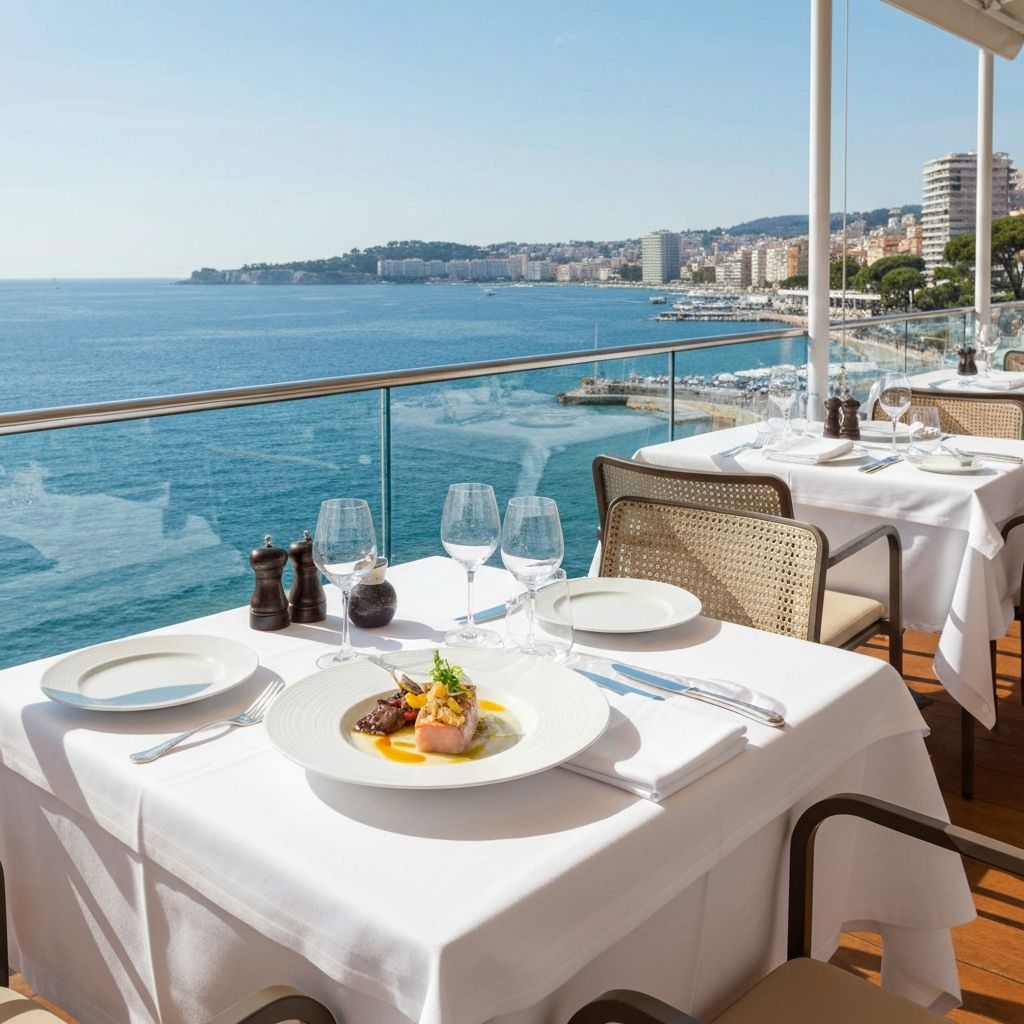
The French Riviera's culinary landscape represents a masterclass in Mediterranean haute cuisine, with the region boasting over 20 Michelin-starred restaurants that seamlessly blend Provençal tradition with contemporary innovation. In Cannes, Le Palme d'Or at the Hôtel Martinez—helmed by chef Christian Sinicropi—offers three-Michelin-star dining in an Art Deco dining room where floor-to-ceiling windows frame Croisette beach views. Sinicropi's menu celebrates the region's bounty: red mullet from Villefranche fishermen, Menton lemons transformed into citrus-cured langoustines, and truffles from the nearby Var region integrated into delicate ravioli. For wedding rehearsal dinners or intimate post-ceremony brunches, securing a private dining room here (which requires a minimum spend of €10,000-€15,000) elevates the gastronomic experience to ceremonial status.
Nice's culinary crown jewel, Jan by chef Jan Hendrik van der Westhuizen (the only South African chef to earn a Michelin star in France), brings a global perspective to Niçoise ingredients—think line-caught sea bass with bouillabaisse foam and olive oil from century-old trees in Grasse. For couples planning multi-day wedding celebrations, incorporating a progressive dining experience—perhaps starting with aperitifs at a cliffside wine bar in Èze Village, followed by a seated dinner at a two-star restaurant, and culminating in a midnight dessert service aboard a chartered yacht—creates narrative momentum that honors the Riviera's reputation as Europe's gastronomic epicenter. Budget-conscious planners should explore chef-led villa services: many Michelin-trained chefs offer private dinner parties at rates of €200-€400 per guest, delivering restaurant-caliber cuisine in the intimacy of rented estates while avoiding the €50-€80 corkage fees typical of restaurant venues.
The Yachting Lifestyle: Navigating the Mediterranean in Style
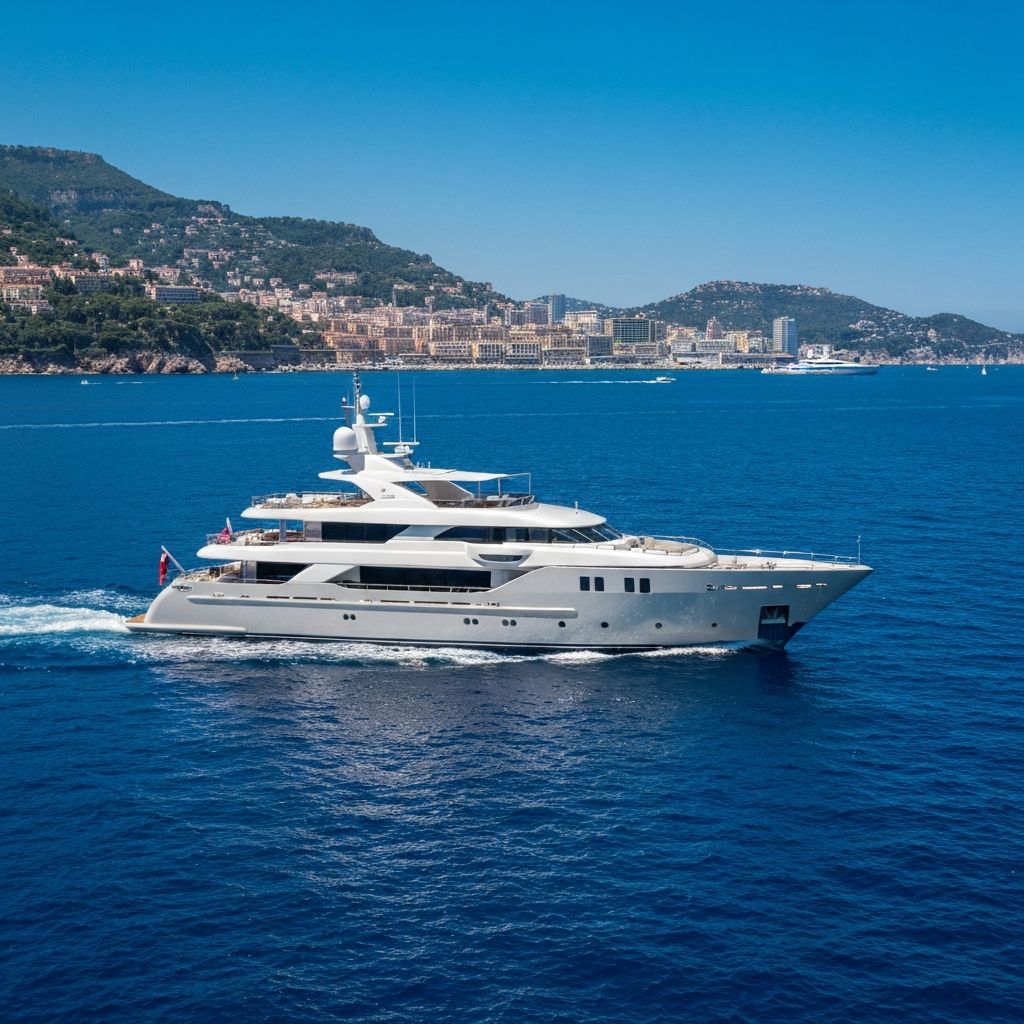
No French Riviera wedding or retreat is complete without embracing the yachting culture that defines this storied coast. Charter brokers like Edmiston and Fraser Yachts provide access to the Mediterranean's most prestigious fleet—from classic sailing yachts that evoke Onassis-era glamour to contemporary motor yachts equipped with beach clubs, spas, and helipad. For wedding parties, a three-day charter aboard a 40-meter yacht (accommodating 10-12 guests in five staterooms) costs approximately €80,000-€150,000, inclusive of captain, crew, fuel for coastal cruising, and water toys ranging from jet skis to paddleboards. This investment transforms the wedding into a mobile celebration: imagine an intimate ceremony on the yacht's sundeck at sunset off Cap Ferrat, followed by a midnight cruise to Monaco for casino nightlife, and a recovery day anchored in the turquoise cove of Paloma Beach.
For couples on more modest budgets, day charters offer a condensed yachting experience: a six-hour rental of a 20-meter yacht for 20 guests costs €5,000-€8,000 and can serve as a spectacular cocktail hour venue, allowing guests to cruise past Cannes' Lérins Islands while savoring champagne and canapés before returning to shore for a seated dinner. The practical advantages extend beyond aesthetics—yacht-based events eliminate venue rental fees, provide natural climate control via sea breezes, and offer unmatched privacy in a region where paparazzi culture remains a consideration for high-profile couples. Reputable brokers also coordinate yacht-based micro-weddings: ceremonies officiated by the captain (legally recognized in certain jurisdictions) on the open sea, creating a literal and metaphorical journey into married life that few land-based venues can rival.
Eco-Chic Travel: Sustainable Luxury in the Heart of the Riviera
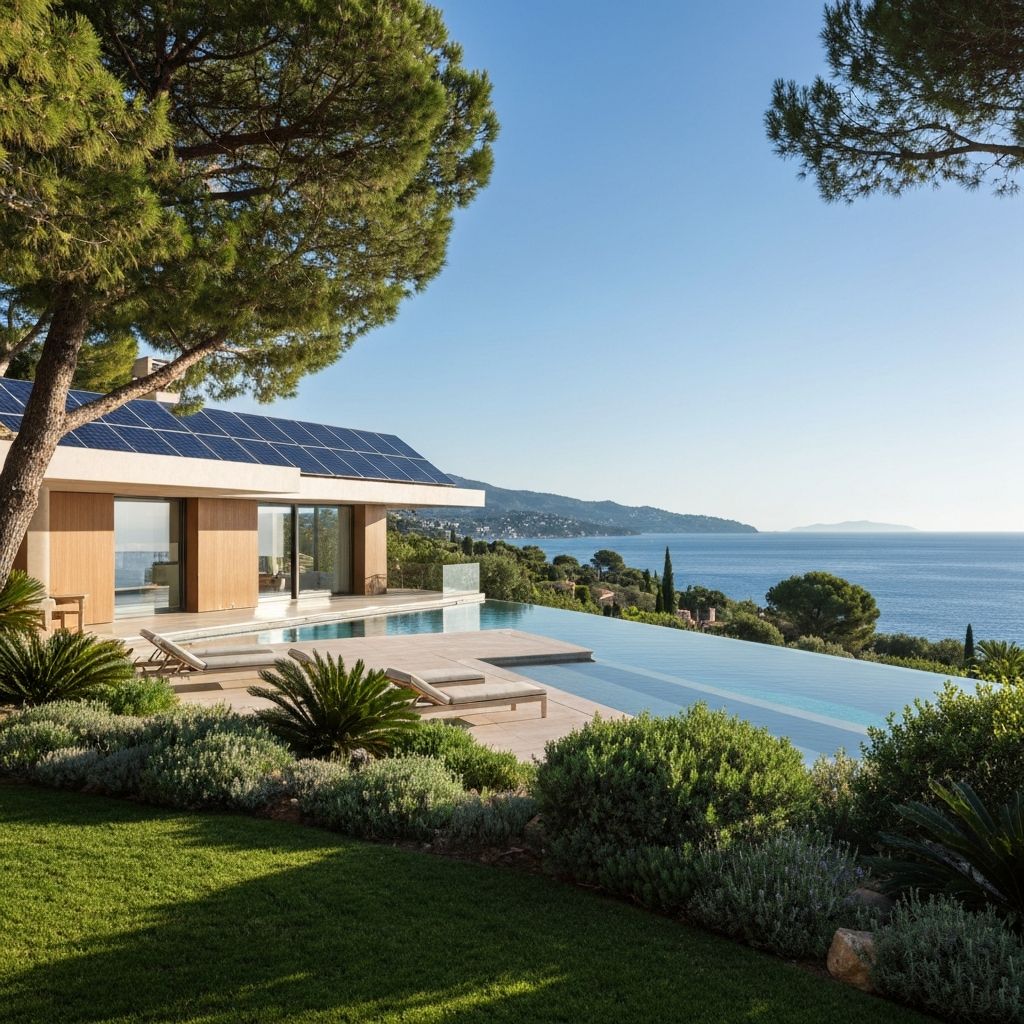
The French Riviera's luxury sector is undergoing a quiet revolution as environmentally conscious travelers demand that opulence align with ecological responsibility. Leading this transformation are properties like Maybourne Riviera in Roquebrune-Cap-Martin—a five-star hotel designed by renowned architect Jean-Michel Wilmotte that integrates rooftop solar panels, rainwater harvesting systems, and locally sourced stone construction to minimize its carbon footprint while maintaining palatial standards. The hotel's three restaurants prioritize hyperlocal sourcing: vegetables from Menton market gardens, olive oil from nearby mills, and seafood certified by the Marine Stewardship Council. For wedding planners, partnering with such venues sends a powerful message about values-driven celebration, particularly for millennial and Gen-Z couples who view sustainability as non-negotiable.
Beyond hotel selection, eco-conscious Riviera weddings can incorporate renewable florals through Monaco's eco-florist La Rose de Moana (which uses only local, seasonal blooms and biodegradable installations), electric Tesla or BMW i7 transfers for guest transport, and carbon-offset programs for international flights—a gesture that costs approximately €50-€100 per long-haul guest but demonstrates environmental stewardship. The region's rail infrastructure offers a particularly elegant green alternative: the scenic train route from Nice to Monaco along the coastal corniche provides guests with breathtaking Mediterranean views while eliminating the need for fossil fuel-powered shuttles. As the Riviera adapts to climate realities—including rising sea levels and increased summer heat—couples who pioneer sustainable luxury wedding models today position themselves at the forefront of an inevitable industry evolution, proving that environmental responsibility and timeless elegance are not mutually exclusive but rather interdependent values for 21st-century celebration.
The French Riviera endures as the world's preeminent destination for luxury weddings and coastal retreats not through nostalgic reputation alone, but by continuously reinventing itself while honoring the traditions that made it legendary. From the regal precision of Monaco to the artistic soul of Saint-Tropez, from Belle Époque villas that whisper of aristocratic summers to cutting-edge sustainability initiatives that promise a viable future—this 120-kilometer coastline offers couples an infinite canvas for crafting celebrations that transcend geography and time. By approaching Riviera wedding planning with both reverence for its storied past and commitment to innovative excellence, couples can orchestrate experiences that honor love's grandest tradition while writing their own chapter in this azure paradise's ongoing narrative of elegance, joy, and Mediterranean magic.
Rate This Experience
Your feedback helps us curate exceptional content