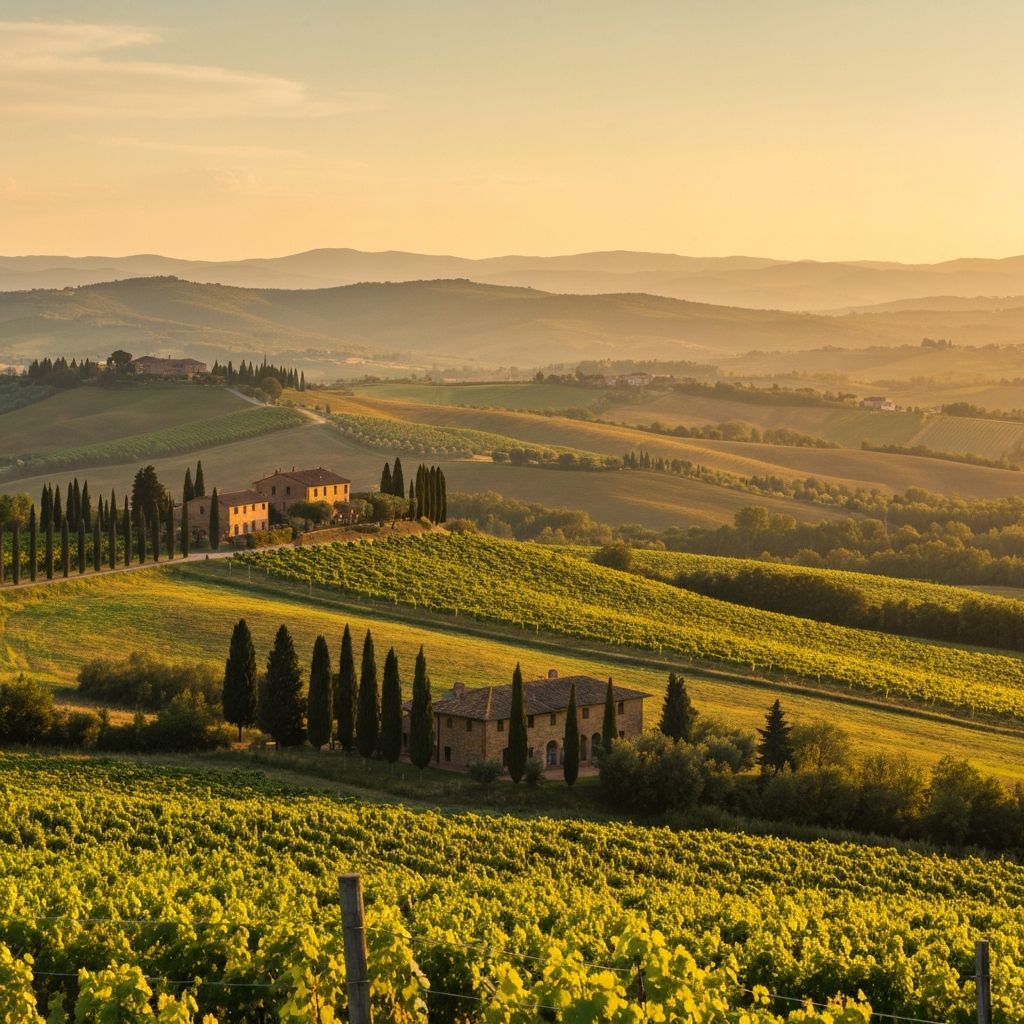
The Italian Masterpiece
From the Sun-Drenched Vineyards of Tuscany to the Dramatic Cliffs of Amalfi
Italy is not merely a country—it is a civilization of beauty, a repository of millennia-old wisdom about the art of living well. When couples and travelers seek to orchestrate life's most sacred moments, they invariably turn to two regions that define Italian elegance in profoundly different yet complementary ways: the sun-drenched vineyards of Tuscany and the dramatic vertical cliffs of the Amalfi Coast. This comprehensive guide explores how these two UNESCO World Heritage landscapes continue to set the global standard for luxury celebrations and transformative retreats.
The Duality of Elegance: Why Tuscany and Amalfi Define Luxury
Tuscany represents horizontal grandeur—the slow unfurling of cypress-lined roads through Renaissance hill towns, the patient alchemy of soil and sun that produces Brunello and Chianti Classico, the agrarian rhythm that has anchored Western civilization since Etruscan times. Here, luxury is measured in terracotta kilometers, in the density of medieval architecture, in the weight of cultural inheritance that permeates every stone villa and olive grove. Wedding celebrations in Tuscany take on the character of Renaissance court gatherings—intimate, intellectual, rooted in the land, with an emphasis on artisanal craft and gastronomic contemplation.
The Amalfi Coast, by contrast, is vertical theater—a 13th-century engineering marvel where terraced lemon groves cascade down limestone cliffs to impossibly blue water, where human settlement clings to geology through sheer architectural ingenuity. This is maritime Italy at its most dramatic: the legacy of merchant republics, Norman conquests, and Moorish aesthetics compressed into a 50-kilometer stretch of UNESCO World Heritage coastline. Luxury here is visceral and immediate—the scent of salt and citrus, the vertiginous perspective from cliff-edge terraces, the adrenaline of navigating hairpin roads above the Mediterranean. Celebrations on the Amalfi Coast carry the drama of opera: bold, romantic, and visually overwhelming.
Both regions share Italy's fundamental gift: the ability to transform everyday rituals—dining, gathering, toasting—into art forms. Understanding which aesthetic aligns with your vision is the first decision in orchestrating an Italian luxury experience. Many sophisticated travelers now design dual experiences: a multi-day Tuscan vineyard wedding followed by an Amalfi yacht retreat, or a cliffside Positano ceremony with a Tuscan castle afterparty. The Italian masterpiece, increasingly, is not choosing between these regions but choreographing their distinct elegance into a single unforgettable narrative.
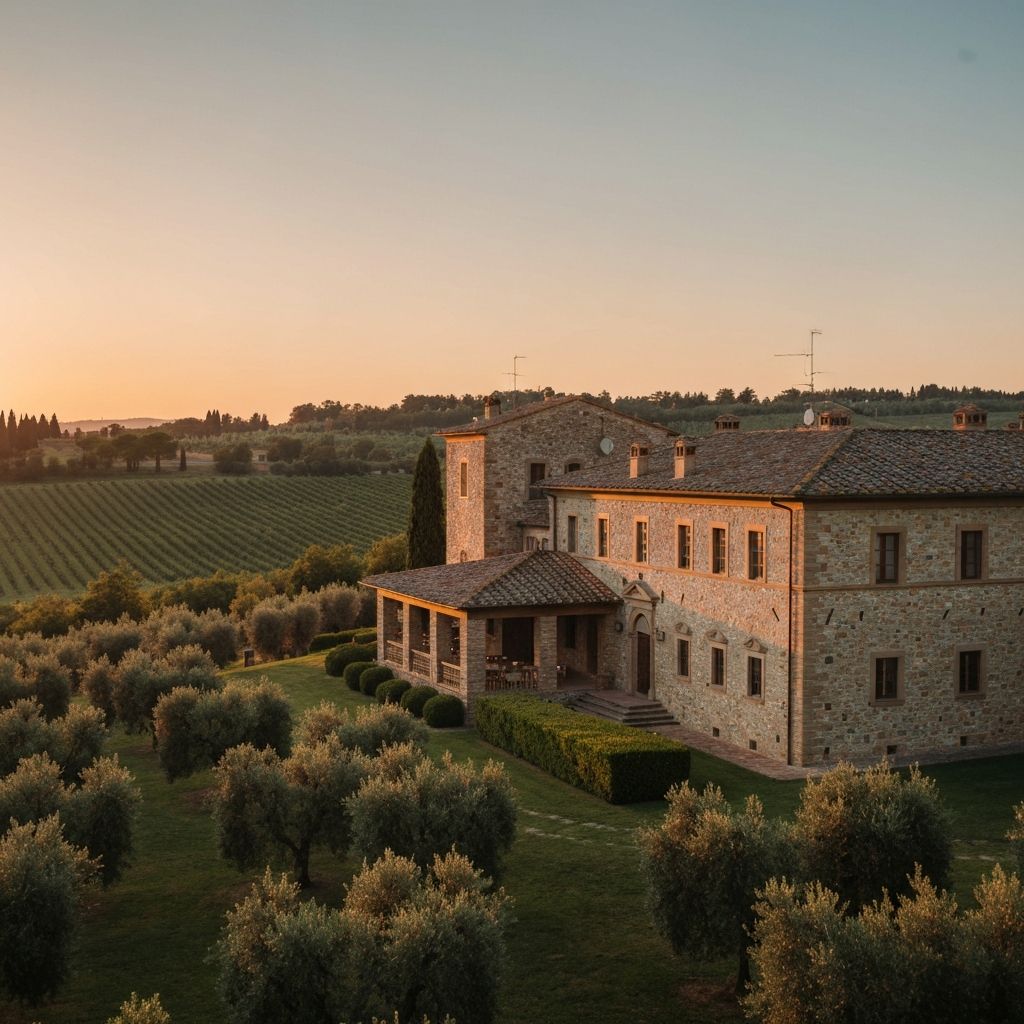
Tuscan Estates: Planning a Renaissance-Style Vineyard Wedding
Tuscany's luxury wedding infrastructure has evolved into the most sophisticated in Europe, with over 300 certified private estates offering full-service event hosting. The region's appeal lies in its versatility: 15th-century castles with frescoed chapels in Chianti Classico, modernist wine estates with gravity-flow cellars near Montalcino, Renaissance villas with Italianate gardens overlooking Val d'Orcia. Each micro-region offers distinct terroir not just for wine, but for aesthetic experience. Siena province provides medieval authenticity, Florence surroundings offer art historical gravitas, while Maremma presents wilder, coastal-influenced luxury.
Logistically, Tuscan weddings benefit from the region's established infrastructure. Florence and Pisa airports provide international access, while private estates often include on-site accommodation for 50-200 guests, eliminating transport logistics. The wedding industry here operates with Italian attention to beauty combined with Northern European efficiency: English-speaking coordinators, transparent pricing structures, and vendor networks that include Michelin-trained chefs, Rome Opera musicians, and florists trained at the Dutch auction houses. Legal requirements for foreign marriages in Italy are straightforward—civil ceremonies require only advance paperwork, while symbolic ceremonies face no restrictions.
The Tuscan wedding aesthetic centers on agrarian luxury: long harvest tables under pergolas, local sunflower and wheat arrangements, family-style dining featuring estate-produced olive oil and wine. Ceremonies often occur in private estate chapels or outdoor amphitheaters with Renaissance garden backdrops. The ideal timing is May-June or September-October when temperatures moderate and the landscape provides its most dramatic color palettes—golden wheat in June, grape harvest in September, autumn foliage in October. Budget expectations for luxury Tuscan weddings start at €150,000 for 100 guests, scaling to €500,000+ for full castle buyouts with international guest experiences lasting multiple days.
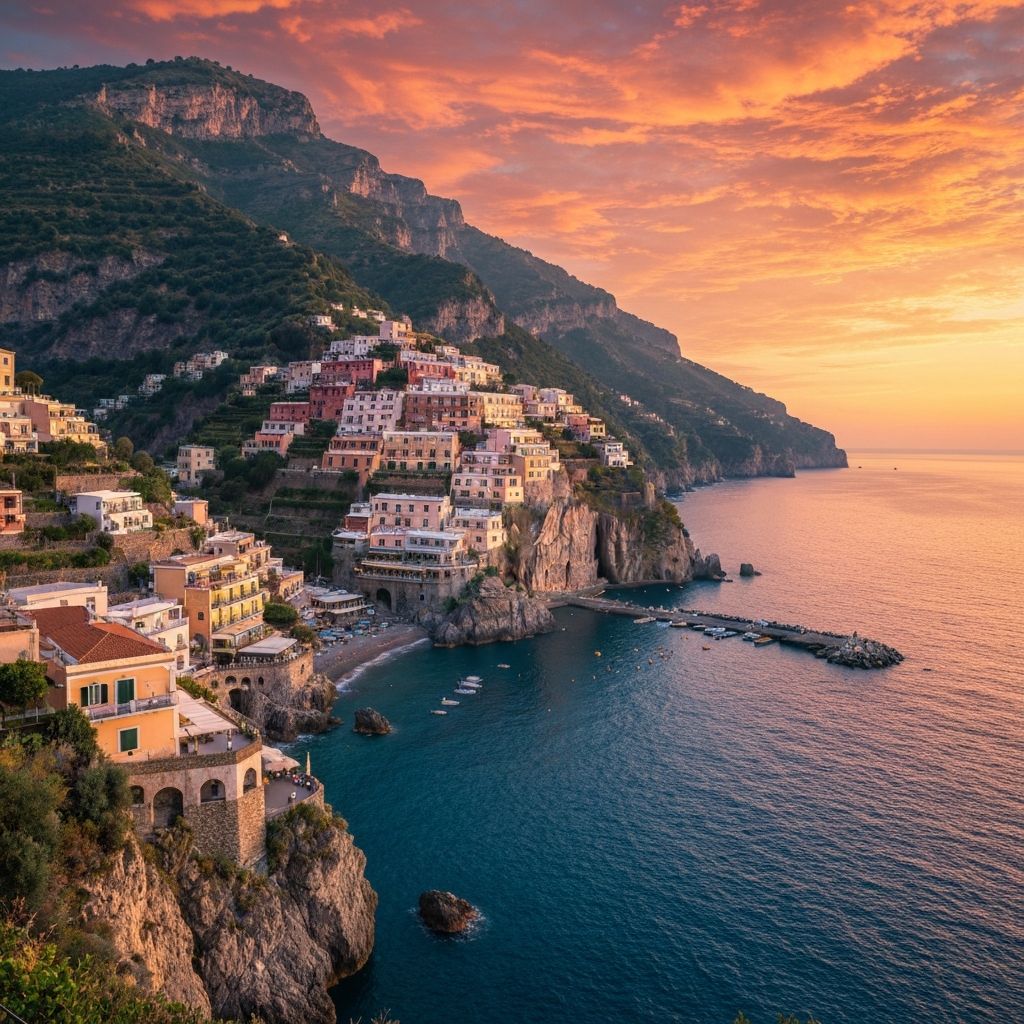
Amalfi Cliffside Rituals: The Art of Seaside Celebrations
The Amalfi Coast presents a fundamentally different celebration paradigm. Where Tuscany sprawls horizontally with space for large gatherings, Amalfi compresses vertically—intimate terraces carved into cliffs, villa gardens accessible only by private elevator, ceremony sites that might accommodate 30-80 guests maximum. This geographic constraint has produced an aesthetic of concentrated luxury: smaller guest lists, higher per-person investment, and experiences defined by dramatic perspective rather than expansive grounds. The most sought-after venues are private villas in Positano, Ravello, and Praiano—historic properties with terraced gardens, infinity pools seemingly suspended above the Mediterranean, and the kind of views that have inspired everyone from Wagner to Roberto Rossellini.
Logistically, Amalfi Coast weddings require more complex choreography than Tuscan affairs. Naples International Airport serves as the primary entry point, followed by either private car transfers via the legendary SS163 coastal road (itself a UNESCO site) or helicopter arrivals to Ravello's helipad. Guest accommodation disperses across multiple hotels and villas rather than concentrating at a single estate, necessitating sophisticated shuttle logistics. Many planners now incorporate yacht elements—guests arriving by private vessel from Capri or Sorrento, post-ceremony receptions aboard superyachts moored in Positano harbor, or sunset cruises to hidden coves accessible only from the sea.
The Amalfi aesthetic is unabashedly romantic: bougainvillea and lemon arrangements, ceramic Vietri tiles as table settings, locally made limoncello for toasts, fresh seafood caught that morning by Praiano fishermen. Ceremonies often occur at sunset to maximize the dramatic light on the water, with live classical guitar or mandolin replacing traditional wedding bands. Peak season runs June-September, though May and October offer slightly more moderate temperatures and significantly reduced crowds. Budget expectations start at €100,000 for intimate 50- person celebrations, scaling to €300,000+ for multi-day experiences incorporating yacht elements, private villa buyouts, and Michelin-starred catering from nearby Ristorante Don Alfonso 1890.
Hidden Treasures: Private Villas in Positano vs. Secluded Castles in Chianti
Beyond the well-known luxury hotels, Italy's true gems are its private estates available for exclusive use. In Positano, villas like Villa Tre Ville (once owned by Franco Zeffirelli) and Villa Magia offer complete privacy with staff teams trained at hospitality's highest levels. These properties feature 6-12 bedroom suites, professional kitchens for private chef services, wine cellars stocked with Campanian vintages, and most critically—terraced gardens with ceremony sites that feel literally suspended between sky and sea. Securing these properties requires 12-18 month advance booking, with week-long minimums during summer season and rates starting at €50,000 per week, excluding catering and event services.
Chianti's castle inventory offers different scale and historical depth. Properties like Castello di Meleto, Castello di Brolio, and Castello di Uzzano provide complete medieval compounds—sometimes with private chapels, wine production facilities still in operation, and guest capacity reaching 200+ when combining castle chambers with estate cottages. These represent multigenerational family holdings where viticulture and event hosting intertwine. The appeal is not just aesthetic but cultural immersion: private wine cellar tours with the estate's enologist, cooking classes with the family's personal chef, access to centuries-old family archives and frescoed reception halls that have hosted weddings since the 1400s.
The choice between Amalfi villa and Tuscan castle often reflects the celebration's core value: Amalfi prioritizes visual drama and romantic intensity with smaller, more curated guest experiences. Tuscany accommodates larger gatherings with an emphasis on cultural depth, gastronomic exploration, and the slow time that agrarian luxury affords. Increasingly, sophisticated planners design "grand tour" experiences— beginning with three days in a Chianti castle for vineyard ceremonies and farm-to-table feasting, then transferring via private coach to Positano for intimate post-wedding retreats in cliffside villas. This approach honors both facets of Italian elegance while providing guests with the country's full geographic and aesthetic range.
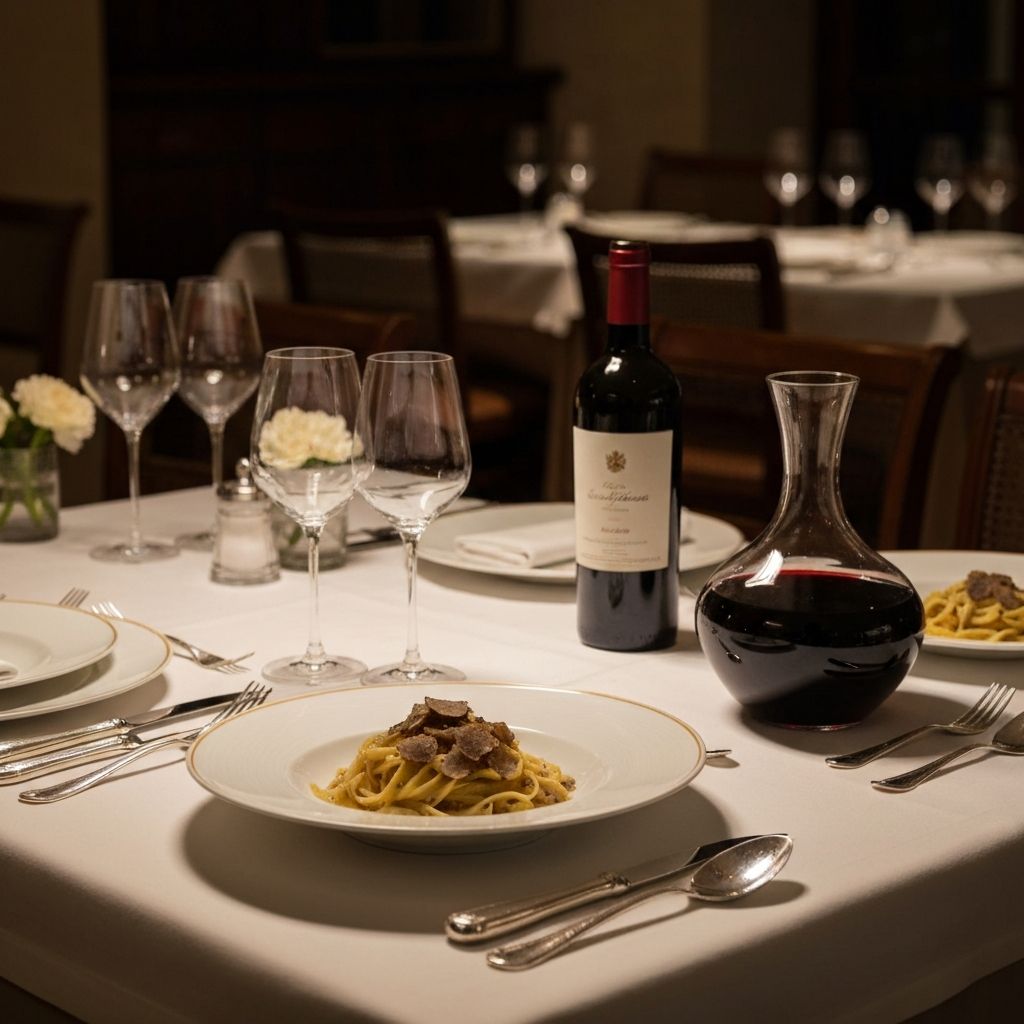
Gastronomic Soul: From Truffle Hunting to Michelin-Starred Coastal Dining
Italian gastronomy reaches its apex in these two regions, though through radically different culinary philosophies. Tuscany represents cucina povera elevated to art—simple peasant traditions transformed through obsessive ingredient quality. White truffles from San Miniato (November-December), Chianina beef from Val di Chiana, pecorino from Pienza, hand-rolled pici pasta with wild boar ragù—this is food as cultural inheritance, where recipes haven't changed in five centuries because they achieved perfection. Luxury Tuscan dining incorporates experiences like dawn truffle hunting with trained Lagotto Romagnolo dogs, private vineyard dinners under 500-year-old oak trees, and cooking classes with nonne (grandmothers) who have made the same pasta shape for 70 years.
The Amalfi Coast offers Mediterranean abundance: swordfish and amberjack from Praiano's fishing fleet, sfusato lemons grown on terraced groves above Positano, mozzarella di bufala from Paestum delivered daily, Cetara's colatura di alici (anchovy essence) that dates to Roman garum. The region hosts four Michelin-starred restaurants, led by Don Alfonso 1890 in Sant'Agata sui Due Golfi (two stars) and Rossellinis in Ravello (one star). These establishments practice hyper-local sourcing— often maintaining their own gardens and fishing relationships— while presenting dishes with the kind of visual drama that matches the coastal setting. Wedding menus here might include raw Cetara anchovies with lemon foam, hand-dived scallops with sea urchin, and limoncello sorbet made from lemons picked that morning.
Both regions take wine seriously but differently. Tuscany is one of Earth's great wine civilizations—Brunello di Montalcino, Vino Nobile di Montepulciano, Super Tuscans from Bolgheri, and the ubiquitous Chianti that ranges from simple to sublime. Wine here is infrastructure: every dinner, every toast, every ceremony incorporates local production, often from the very estate hosting the event. Campania's wine culture is more specialized— Greco di Tufo, Fiano di Avellino, and Aglianico from Taurasi represent ancient grape varieties preserved through millennia. Sommeliers on the Amalfi Coast increasingly spotlight these indigenous varietals, creating wine pairings that honor Campania's volcanic soils and Mediterranean microclimate rather than competing with Tuscany's global reputation.
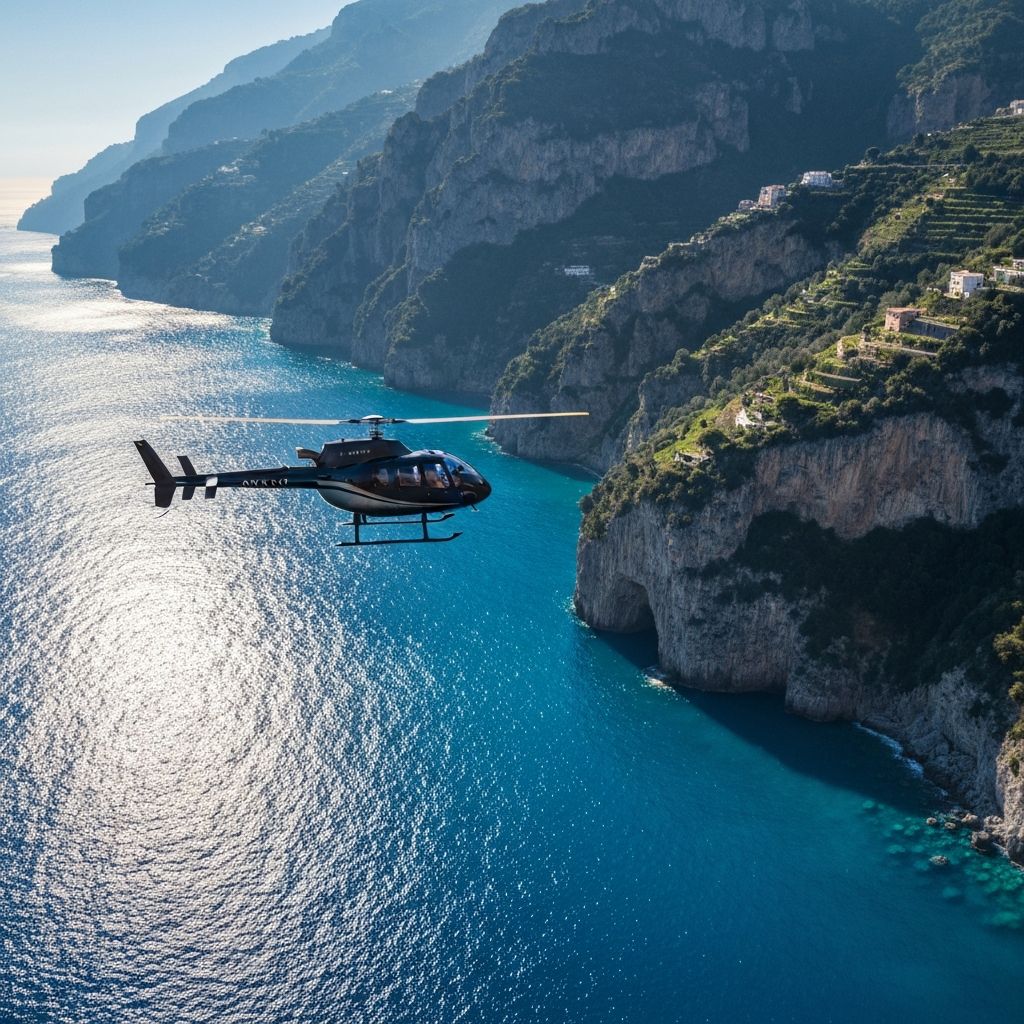
The Grand Transfer: Navigating Italy via Private Helicopter and Yacht
The logistical challenge of multi-region Italian celebrations has spawned a luxury transfer industry that rivals Monaco and the French Riviera. Private helicopter service from Florence to the Amalfi Coast takes 90 minutes, bypassing both the autostrada and the white-knuckle coastal road while providing aerial perspectives of Umbrian hilltowns, the Apennines, and Vesuvius's volcanic cone. Companies like HeliService and Eurofly Italia operate fleets of AgustaWestland helicopters configured for luxury transport, with pricing around €8,000- €12,000 per charter depending on aircraft size. Many high-end wedding packages now include helicopter transfers as standard, treating the journey itself as part of the ceremony narrative.
For coastal movement, yacht charters have become essential to Amalfi luxury experiences. A 24-meter Pershing or Azimut yacht with crew runs €5,000-€8,000 per day, providing access to Capri's Blue Grotto, secluded beaches at Furore, and Li Galli islands' private coves. Wedding planners increasingly design "progressive celebrations"—ceremony in Ravello, cocktails on yacht sailing to Positano, reception at cliffside restaurant, late-night return via private boat to accommodation. This nautical element distinguishes Amalfi celebrations from landlocked Tuscan affairs, adding the drama of Mediterranean seamanship to the evening's arc.
The logistical coordination required for these transfers demands specialized expertise. Italian aviation and maritime regulations differ from other European jurisdictions, requiring local knowledge to navigate permissions for cliff-top landings or harbor access during peak season. Established wedding planning firms like The Tuscan Wedding or Exclusive Italy maintain relationships with transport providers, ensuring backup arrangements for weather contingencies and navigating the bureaucracy that can stymie foreign couples attempting DIY luxury logistics. For couples designing grand tour experiences, these transfer elements often represent 15-20% of total budget— but provide the seamless mobility that defines contemporary Italian luxury.
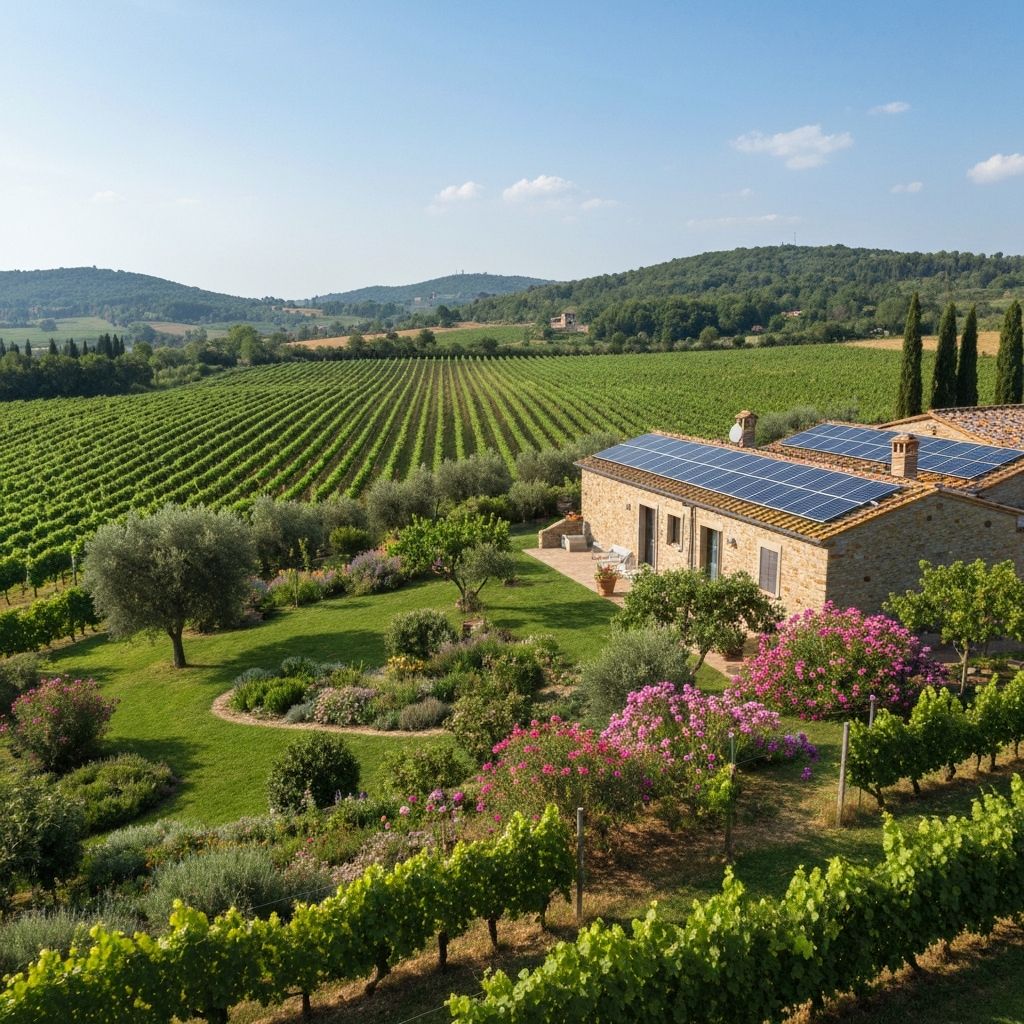
Sustainable Splendor: The Future of Eco-Conscious Luxury in Italy
Italy's luxury wedding industry increasingly confronts the tension between traditional opulence and environmental responsibility. The response has been a distinctly Italian form of eco-luxury—rooted not in hair-shirt asceticism but in the pre-industrial practices that defined Italian agriculture for millennia. Tuscan estates like Tenuta di Spannocchia and Castello di Vicarello have pioneered "zero-kilometer luxury"— wine, olive oil, vegetables, meat, and flowers all produced on-site through biodynamic farming. Events at these properties eliminate supply chain emissions while offering guests experiences of unprecedented agricultural authenticity: harvest table dinners where every ingredient traveled less than 500 meters, ceremonies in olive groves where trees have produced fruit for six centuries.
The Amalfi Coast faces different sustainability challenges— primarily overtourism's impact on fragile coastal ecology and the carbon footprint of yacht-based celebrations. Progressive operators now offset emissions through Mediterranean reforestation projects, source from sustainable fisheries certified by Slow Food's Presidia program, and design events around local craft traditions rather than imported décor. Properties like Hotel Santa Caterina in Amalfi have eliminated single-use plastics, installed solar arrays, and maintain organic gardens producing herbs and vegetables for hotel restaurants. For weddings, this translates to ceramic Vietri flatware instead of disposable serving pieces, locally woven linens rather than imported fabrics, and floral arrangements featuring native Mediterranean species rather than greenhouse-grown imports.
The regulatory environment increasingly supports sustainable luxury. Italy's National Recovery and Resilience Plan allocates €6.7 billion toward "green transition in tourism," funding property renovations that meet energy efficiency standards and supporting businesses that demonstrate environmental responsibility. For couples planning Italian celebrations, the implications are practical: properties with sustainability certifications often offer superior experiences precisely because they maintain deeper connections to place—the Tuscan estate that produces its own flour mills it on-site; the Amalfi property that sources fish directly from Cetara's fleet guarantees freshness impossible through conventional supply chains. Sustainable luxury in Italy is not sacrifice but specificity—a return to the regional distinctiveness that defined Italian culture before globalization homogenized experience.
Conclusion: Choosing Your Ethereal Italian Sanctuary
The choice between Tuscany and Amalfi—or the decision to choreograph both into a single grand tour experience—ultimately reflects what you seek from luxury itself. If your vision centers on cultural immersion, agrarian authenticity, and the slow pleasures of wine culture and Renaissance architecture, Tuscany provides the deepest well of experience. Its horizontal landscape accommodates larger gatherings, its established infrastructure simplifies logistics, and its art historical legacy offers a gravitas unmatched anywhere on Earth. You choose Tuscany when the journey is as important as the destination, when you want guests to understand not just how Italians celebrate, but how they've built civilization around the pleasures of the table and the rhythms of harvest.
You choose the Amalfi Coast when beauty needs to be almost unbearably immediate—when you want your ceremony framed by vertical drama so intense it borders on the sublime. This is Italy at its most operatic: smaller guest lists, higher emotional intensity, and experiences defined by perspective rather than space. The Amalfi Coast rewards travelers who prize visual impact, maritime romance, and the particular pleasure of luxury squeezed into spaces so constrained that every detail must be exquisite. It is Italy as theater, as spectacle, as a place where natural beauty so overwhelms human creation that your only option is to stage your most important moments against that backdrop and let geology do the work.
But perhaps the most sophisticated choice is understanding these regions as complementary chapters in a single Italian narrative. Begin in Tuscany's agrarian heart—three days of vineyard ceremonies, truffle hunting, and long harvest table dinners that introduce guests to Italy's cultural foundation. Then transfer via helicopter to Positano for intimate coastal days—yacht cruises, cliffside dinners, and the kind of romantic intensity that only Mediterranean light provides. This is Italy not as destination but as masterpiece—a carefully curated journey through the aesthetic range that makes this country civilization's great teacher of how to transform living into art. Your Italian celebration, designed with this understanding, becomes not just a wedding or retreat but an education in beauty itself.
Rate This Experience
Your feedback helps us curate exceptional content