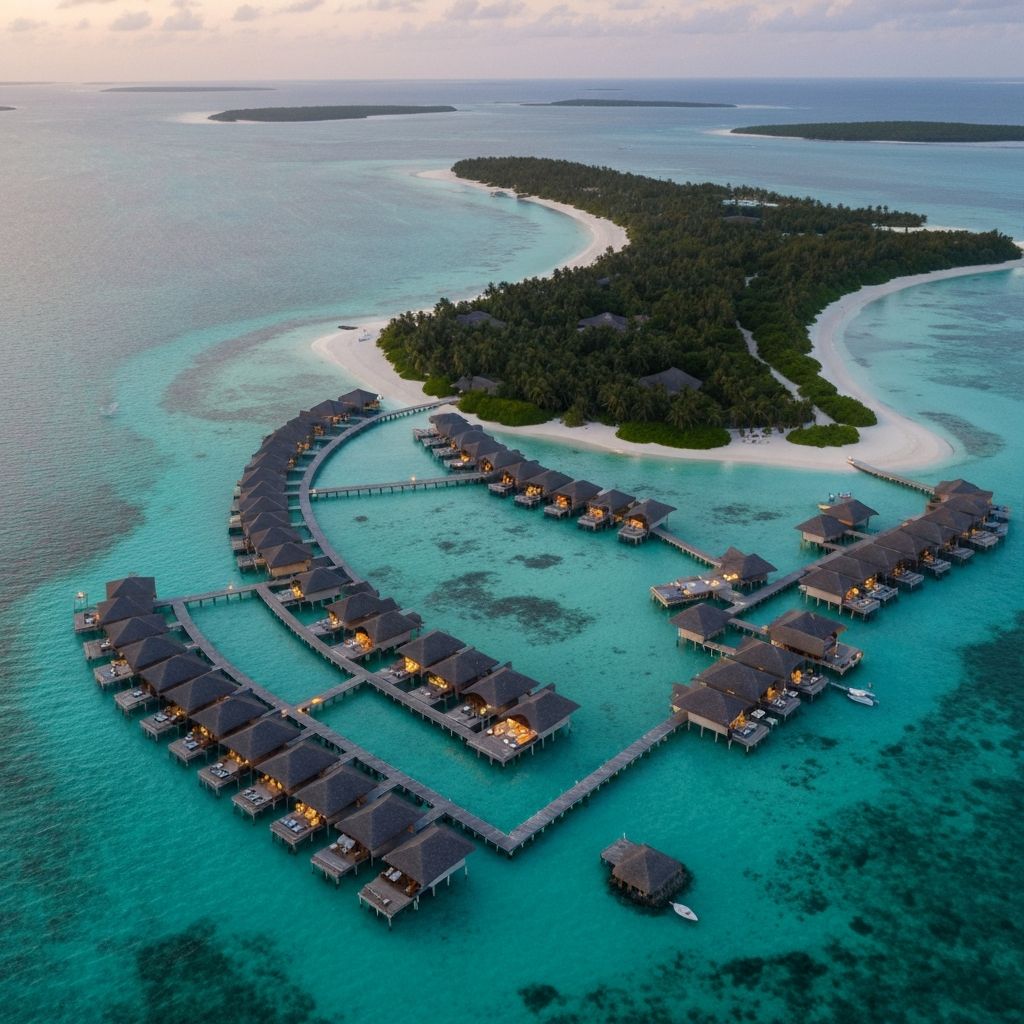
The Maldives—a scattered constellation of 1,190 coral islands in the Indian Ocean—has long been synonymous with barefoot luxury and crystalline seclusion. Yet beneath the postcard-perfect imagery lies a sophisticated ecosystem of ultra-luxury private islands that have redefined what it means to escape. This is not merely a destination; it is a philosophy of indulgence, where architectural innovation meets environmental reverence, and where every moment is orchestrated to honor the sacred rhythm of the sea.
For discerning travelers seeking not just a vacation but a transformative immersion into tropical opulence, the Maldives offers an unparalleled canvas. From overwater sanctuaries suspended above turquoise lagoons to beachfront estates where the sand becomes your floor, this guide illuminates the nuances of selecting, experiencing, and investing in the ultimate Maldivian retreat.
The Evolution of Maldivian Luxury
The modern luxury resort era in the Maldives began in 1972 with the opening of Kurumba Village—a humble collection of thatched bungalows that introduced the world to the concept of an "island resort." Over the following five decades, the archipelago has evolved from simple beach huts to architectural masterpieces that rival the world's most celebrated hotels. The introduction of overwater villas in the 1990s marked a watershed moment, transforming the guest experience from one of terrestrial comfort to aquatic transcendence.
Today, the Maldives represents the pinnacle of hospitality innovation. Private island resorts now feature underwater restaurants, glass-floored infinity pools, and personal butler services that anticipate desires before they're articulated. Leading brands like Soneva, Six Senses, and One&Only have pioneered the concept of "intelligent luxury"—where opulence is measured not by ostentation but by thoughtful design, sustainability practices, and the creation of deeply personal, soul-enriching experiences.
The shift toward experiential travel has reshaped the Maldivian landscape. Contemporary travelers seek not just visual beauty but emotional resonance: sunrise yoga on private decks, marine biologist-led snorkeling expeditions, stargazing sessions with astronomers, and bespoke wellness programs that integrate Ayurvedic principles with modern spa science. This evolution reflects a broader cultural movement—luxury is no longer about excess; it's about meaning, connection, and the artful choreography of unforgettable moments.
Choosing Your Atoll: North vs South
The Maldives' 26 natural atolls stretch across 90,000 square kilometers, creating distinct microclimates and marine ecosystems. Your choice of atoll profoundly shapes your experience, from accessibility to underwater biodiversity to cultural authenticity. The Northern Atolls—including North and South Malé, Baa, and Lhaviyani—offer proximity to Velana International Airport, making them ideal for shorter stays or those traveling with children. Resorts here benefit from established infrastructure, with seaplane transfers averaging 20-45 minutes and speedboat options for properties closest to Malé.
In contrast, the Southern Atolls—Addu, Gaafu Alifu, and Gaafu Dhaalu—embody untouched remoteness. Accessible via domestic flights followed by speedboat transfers, these islands attract travelers seeking deeper seclusion and more adventurous diving conditions. The Southern currents bring nutrient-rich waters that support healthier coral systems and more frequent encounters with manta rays, whale sharks, and hammerhead sharks. Properties in this region, such as Shangri-La's Villingili Resort and The Residence Maldives, offer expansive land masses—rare in the Maldives—allowing for golf courses, extensive spa gardens, and greater privacy between villas.
The Baa Atoll, designated a UNESCO Biosphere Reserve in 2011, represents a middle ground: accessible yet ecologically significant. Hanifaru Bay within this atoll is globally renowned for seasonal manta ray aggregations, where hundreds of these graceful giants gather to feed on plankton blooms between June and November. Resorts like Soneva Fushi and Four Seasons Landaa Giraavaru have built their identities around this natural wonder, offering marine biology programs and conservation-focused excursions that transform guests into ocean stewards.
Architectural Marvels: Overwater vs Beachfront Villas
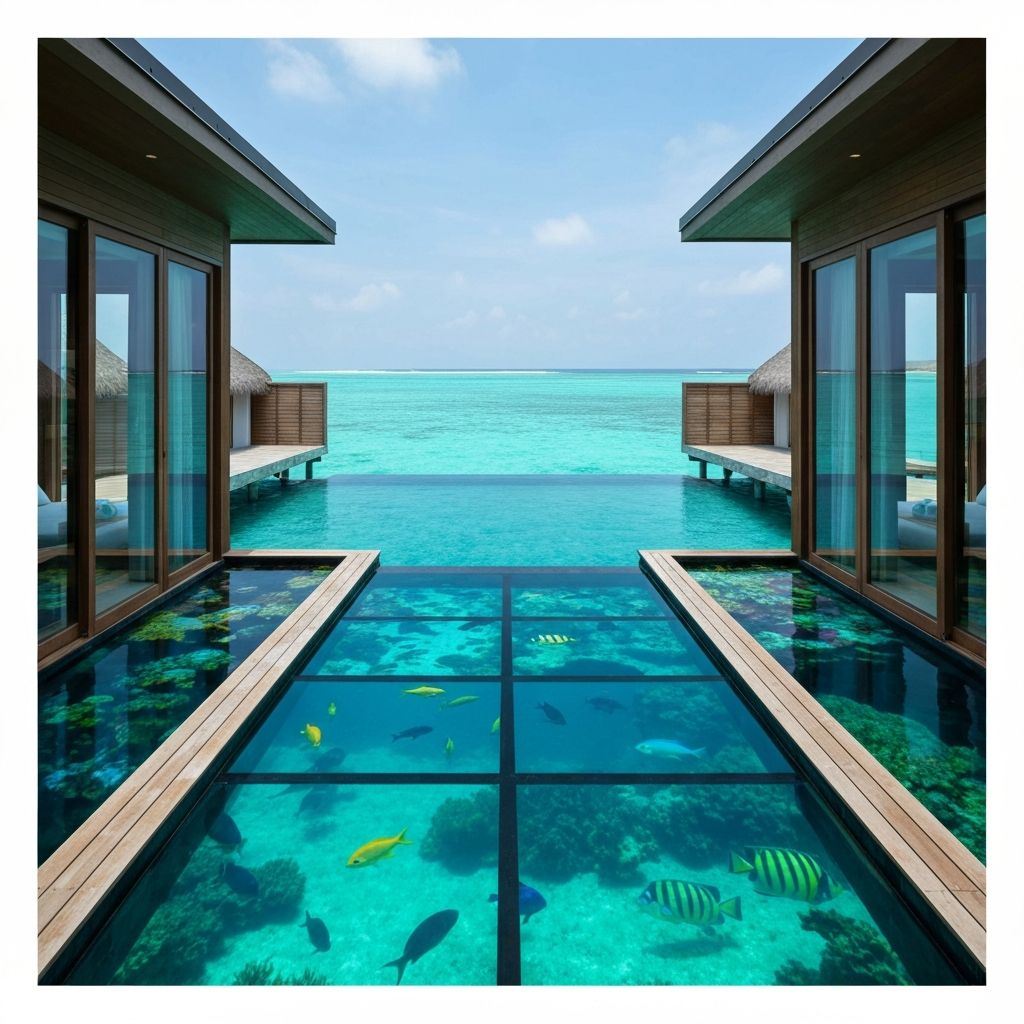
The debate between overwater and beachfront accommodations is central to the Maldivian experience, and the answer depends on your vision of paradise. Overwater villas, perched on stilts above lagoons, offer unparalleled intimacy with marine life. Glass floor panels reveal a living aquarium beneath your feet, where parrotfish, reef sharks, and octopuses go about their daily rituals. Private infinity pools seem to merge with the horizon, while direct lagoon access via wooden steps allows for spontaneous snorkeling at sunrise. The sound design of these structures is deliberate: the gentle lapping of waves beneath the floorboards creates a natural white noise that induces deep, restorative sleep.
Beachfront villas, conversely, provide a more grounded, expansive experience. With direct sand access, outdoor showers beneath the stars, and often larger footprints, these estates cater to families or those seeking more space for private gatherings. The sensory connection to land—the feeling of warm sand between toes, the scent of frangipani and sea salt, the sight of hermit crabs traversing the shore at dusk—creates a different form of enchantment. Resorts like Soneva Jani and Conrad Maldives Rangali Island now offer hybrid villas: beachfront structures with their own enclosed lagoons, providing the privacy of land with the aquatic access of overwater living.
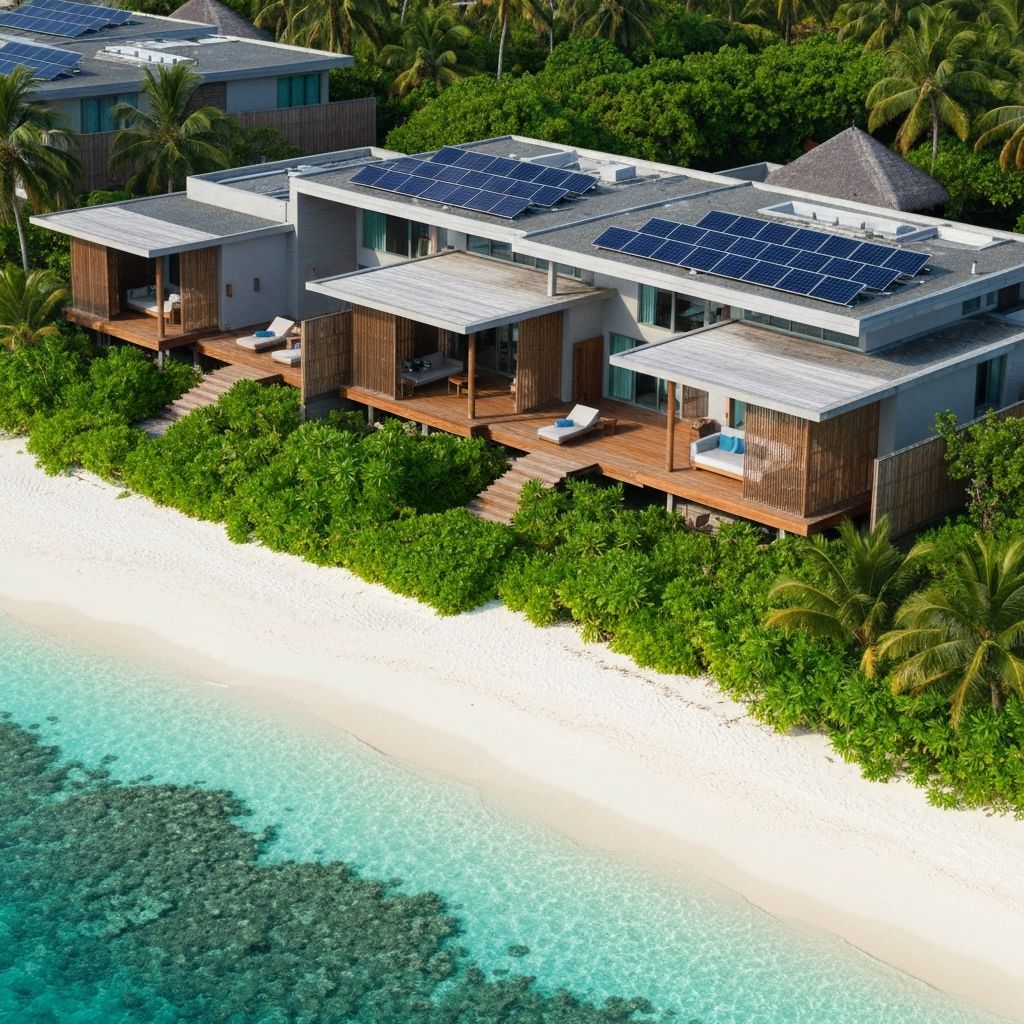
Architecturally, the finest villas employ local craftsmanship while incorporating cutting-edge sustainability. Thatched roofs made from renewable dried palm leaves provide natural insulation, reducing air conditioning needs. Floor-to-ceiling retractable glass walls blur the boundary between interior and exterior, allowing trade winds to naturally ventilate spaces. Many properties now feature solar-powered systems, rainwater harvesting, and even coral regeneration programs integrated into their foundations—underwater sculptures that serve as artificial reefs, attracting marine life while supporting ecosystem restoration.
Sustainable Opulence: Eco-Friendly High-End Resorts
The climate crisis poses an existential threat to low-lying nations like the Maldives, where 80% of land sits less than one meter above sea level. In response, the luxury hospitality sector has become an unlikely leader in environmental innovation. The ethos of "sustainable luxury" is no longer a marketing tagline but an operational imperative, with resorts investing millions in renewable energy, waste reduction, and marine conservation.
Soneva Resorts pioneered the "no shoes, no news" philosophy, encouraging guests to disconnect from digital noise and reconnect with nature. Their waste-to-wealth initiatives include on-site recycling centers where glass bottles are crushed into eco-friendly construction materials, and organic waste is composted to fertilize resort gardens. The brand's carbon offset program goes beyond neutrality—they aim for carbon negativity by funding reforestation projects and renewable energy installations in developing nations.
Six Senses Laamu has taken sustainability further by banning single-use plastics entirely, installing a desalination plant to eliminate bottled water, and operating a marine biology center where guests can participate in coral planting and sea turtle monitoring. The resort's Earth Lab educates visitors on climate science through interactive exhibits, transforming passive relaxation into active environmental stewardship. Similarly, Kudadoo Maldives Private Island runs entirely on solar power, storing energy in Tesla batteries to maintain 24/7 operations without fossil fuels—a remarkable engineering achievement that proves luxury need not compromise ecological integrity.
Gastronomy Beneath the Waves: Underwater Dining Experiences
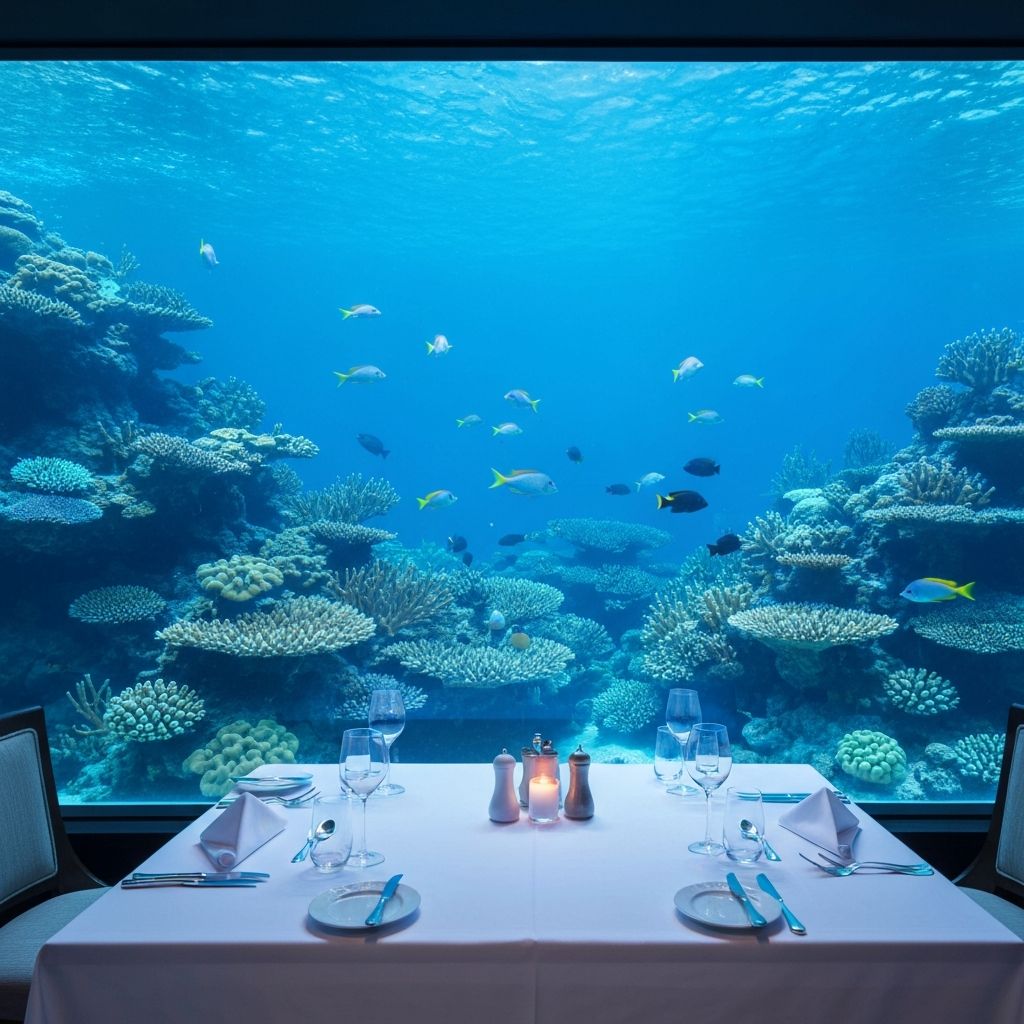
Few culinary settings rival the drama of dining five meters beneath the ocean's surface, surrounded by a panoramic aquarium of tropical fish and gliding manta rays. The Maldives has perfected this theatrical form of gastronomy, where the setting itself becomes part of the narrative. Ithaa Undersea Restaurant at Conrad Maldives Rangali Island, the world's first all-glass underwater restaurant, offers a 270-degree view of the surrounding coral gardens. The six-course tasting menu blends European fine dining techniques with Maldivian ingredients: reef fish ceviche, lobster medallions with coconut foam, and saffron-infused desserts served as reef sharks patrol overhead.
Subsix at Niyama Private Islands takes a different approach, combining underwater dining with nightclub ambiance. Accessible via dhoni boat, the submerged lounge features champagne breakfasts where guests watch morning light filter through the water column, and evening cocktail sessions with DJ sets as the ocean's nocturnal residents emerge. The acoustics are carefully engineered: hydrophones capture the sounds of snapping shrimp and whale songs, creating an immersive audio-visual symphony.
Beyond the spectacle, these venues have elevated Maldivian cuisine itself. Chefs are sourcing hyperlocal ingredients—line-caught tuna, reef-safe lobster, organic coconut, and heritage spices—reinterpreting traditional dishes like mas huni (tuna salad) and garudhiya (fish soup) with modern plating and technique. The culinary narrative now honors the archipelago's fishing heritage while embracing global influences, creating a distinctly Maldivian haute cuisine that respects both tradition and innovation.
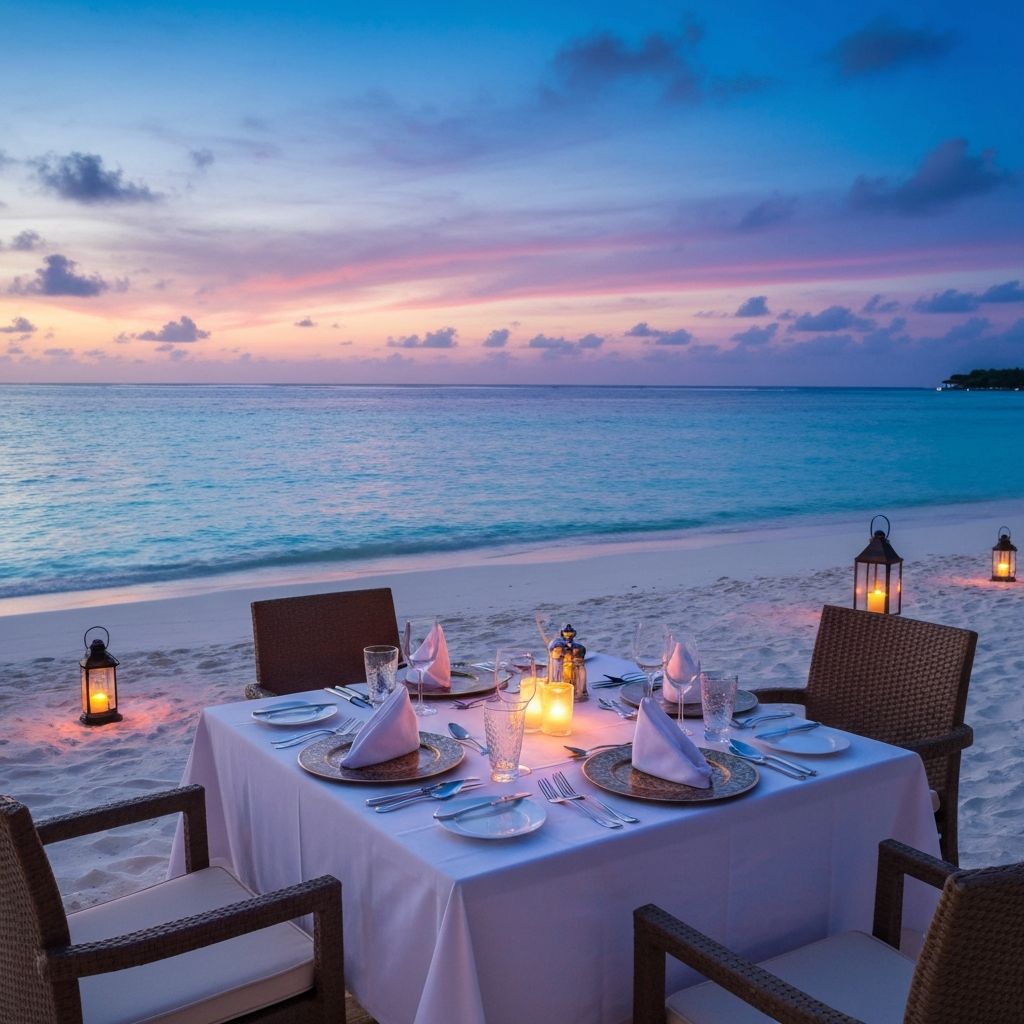
The Cost of Paradise: A Seasonal Budget Breakdown
Ultra-luxury in the Maldives demands investment, but strategic planning can optimize value without compromising experience. The archipelago operates on two distinct seasons: the dry season (November to April) and the wet season (May to October). Peak season pricing (December to March) sees overwater villas at top-tier resorts command $2,000–$5,000 per night, with private island rentals exceeding $50,000 nightly. However, these months guarantee cerulean skies, calm seas, and optimal diving conditions—ideal for special occasions like honeymoons or milestone celebrations.
The shoulder season (May, June, September, October) offers remarkable value: rates drop 30–50%, yet weather remains largely favorable with brief afternoon showers that barely interrupt activities. Marine visibility may be slightly reduced, but the southwest monsoon brings nutrient upwellings that attract larger pelagic species—whale sharks, mantas, and even orcas. For budget-conscious luxury travelers, this period provides access to five-star properties at four-star prices.
Beyond accommodation, consider ancillary costs: seaplane transfers ($300–$600 per person roundtrip), diving excursions ($150–$300 per dive), spa treatments ($200–$500 per session), and dining. Most resorts operate on half-board or full-board plans, but à la carte meals and premium beverages add up quickly. All-inclusive packages at properties like Lily Beach Resort or Velaa Private Island can streamline budgeting, though they may limit culinary exploration. The sweet spot for a week-long ultra-luxury stay, including flights, transfers, and activities, ranges from $15,000 to $40,000 per couple—a significant investment, but one that purchases not just a vacation, but a collection of moments that redefine what luxury means.
The Maldives remains unmatched in its ability to distill luxury into its purest form: unhurried time, unobstructed beauty, and the gentle insistence that you surrender to the present moment. Whether you choose a UNESCO-protected atoll or a remote southern island, an overwater sanctuary or a beachfront estate, the archipelago offers a masterclass in hospitality—one where every detail, from the thread count of Italian linens to the timing of the sunset cocktail service, is choreographed to honor your presence.
As the industry evolves toward greater sustainability and deeper cultural authenticity, the Maldives is proving that luxury and environmental responsibility are not contradictory but complementary. The future of high-end travel lies not in extracting from destinations but in contributing to their preservation—a philosophy these islands have adopted with both urgency and grace. Your journey here is more than an escape; it is an investment in the continued existence of one of Earth's most fragile and breathtaking ecosystems.
Rate This Experience
Your feedback helps us curate exceptional content