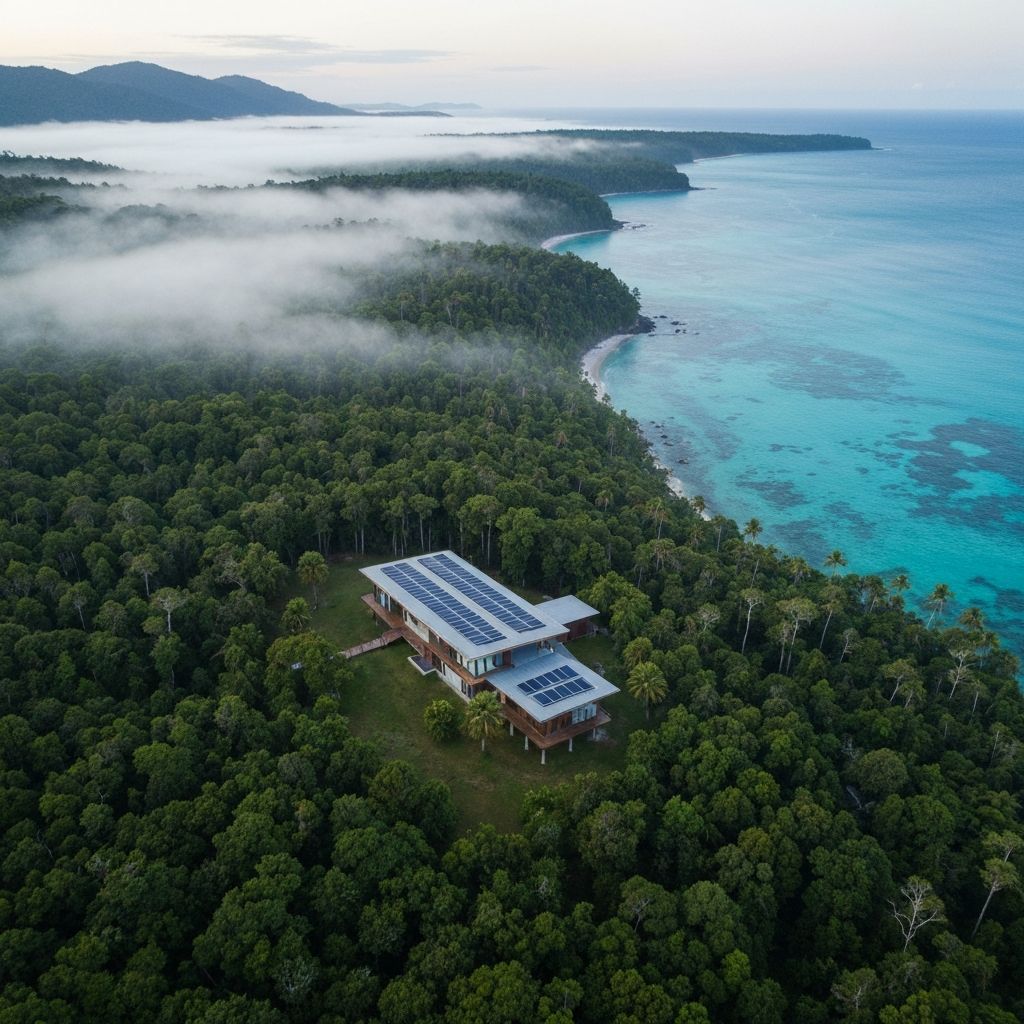
There is a new covenant forming between the world's most discerning travelers and the Earth itself. It is not born of guilt or obligation, but of a deeper recognition: that the most extraordinary luxury is the luxury of an untouched world. To sleep above a cloud forest, to sail waters that have never known pollution, to watch the sun rise over an ecosystem that thrives because of your presence rather than despite it — this is the new pinnacle of travel.
Luxury ecotourism is no longer a niche compromise. It is the most sophisticated form of travel available today — where five-star design philosophy meets genuine environmental stewardship, where solar energy powers infinity pools, where every dollar spent actively funds conservation. The four destinations in this guide represent the vanguard of this movement: Norway's solar-powered island sanctuaries, Costa Rica's cloud forest temples, the Galápagos' sustainable expedition yachts, and South Africa's zero-impact safari estates.
Norway's Solar-Powered Private Islands: Where the Midnight Sun Powers Perfection
Picture a private island off the Lofoten archipelago, accessible only by private boat, where the midnight sun hangs above glacier-carved peaks and the only sound is the breath of the sea. Norway's emerging collection of solar-powered island retreats represents perhaps the most technically ambitious chapter in sustainable luxury — properties that have achieved complete energy independence without sacrificing a single degree of comfort.
The engineering is extraordinary but invisible. Integrated photovoltaic glass in the roof panels generates enough electricity during Norway's legendary summer days to store surplus power for weeks of operation. Radiant floor heating draws from geothermal wells drilled centuries-deep into volcanic bedrock. The saltwater infinity pools are maintained at a precise 32°C using heat-pump technology that captures warmth from the surrounding fjord.
What distinguishes Norway's sustainable islands from conventional eco-lodges is the architecture of restraint. Interiors lean on a palette of reclaimed timber, hand-woven wool textiles, and blown glass from Bergen craftsmen. Menus are curated around hyper-local ingredients: hand-dived scallops from the bay, cloudberries harvested from the hillside, gravlax cured for seventy-two hours in dill and aquavit. The carbon footprint of a week-long stay — including transfers by electric hydrofoil — is typically less than a single transatlantic flight.
The signature experience here is the silent sea kayak, taken at 2 a.m. under the amber light of an arctic summer sky that never fully darkens. There are no guides, no schedules, no infrastructure visible on the water. Just you, an engineless vessel, and the ancient covenant between a human being and an untouched sea.
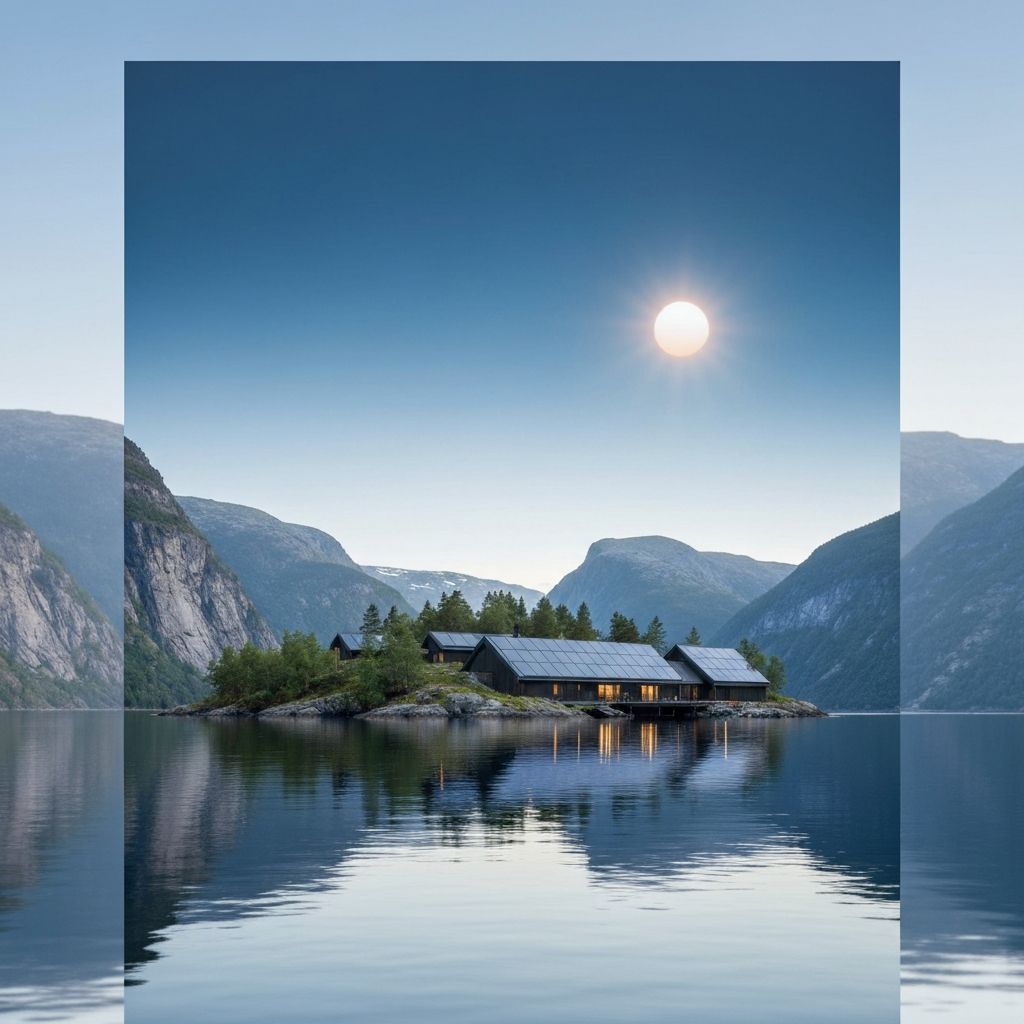
Norway's Lofoten archipelago — where solar energy meets fjord silence
Costa Rica's Cloud Forest Eco-Lodges: Immersed in the Cathedral of Green
At an altitude of 1,500 metres, suspended in the cloud forests of the Monteverde reserve, there exists a category of architecture that has no parallel in conventional luxury hospitality. Costa Rica's finest cloud forest eco-lodges are not buildings that have been placed within nature — they are structures that nature has agreed to accept. The mist moves through open-air corridors. Resplendent quetzals land on breakfast terraces. The rain, when it comes, sounds like applause.
The construction philosophy is one of minimal intervention. Primary forest is never cleared; instead, lodges are built around existing canopy, elevated on slender piles that leave root systems undisturbed. Materials are sourced from FSC-certified forestry operations within fifty kilometres. Grey water is treated and returned to the watershed. The electricity comes entirely from a combination of micro-hydro generation and solar arrays installed on cleared hilltops well away from the forest edge.
The gastronomic programme at the leading properties reaches extraordinary heights. Breakfast arrives as a procession of tropical fruits grown in the lodge's own organic garden — maracuyá, cas, mamón chino — alongside eggs from free-range hens who roam beneath the coffee plants. Dinner is a tasting menu drawn entirely from a thirty-kilometre radius: hearts of palm with herb emulsion, slow-roasted black bean tamales, cacao mousse made from single-origin chocolate grown two valleys away.
The signature treatment is the Forest Sound Bath — an hour spent lying on a suspended platform deep in the cloud forest, listening to nothing but the ecosystem itself: the percussion of rain on bromeliads, the wind moving through a canopy that is home to over four hundred bird species, the distant low of a howler monkey. No sound therapist. No instruments. Just the original orchestra.
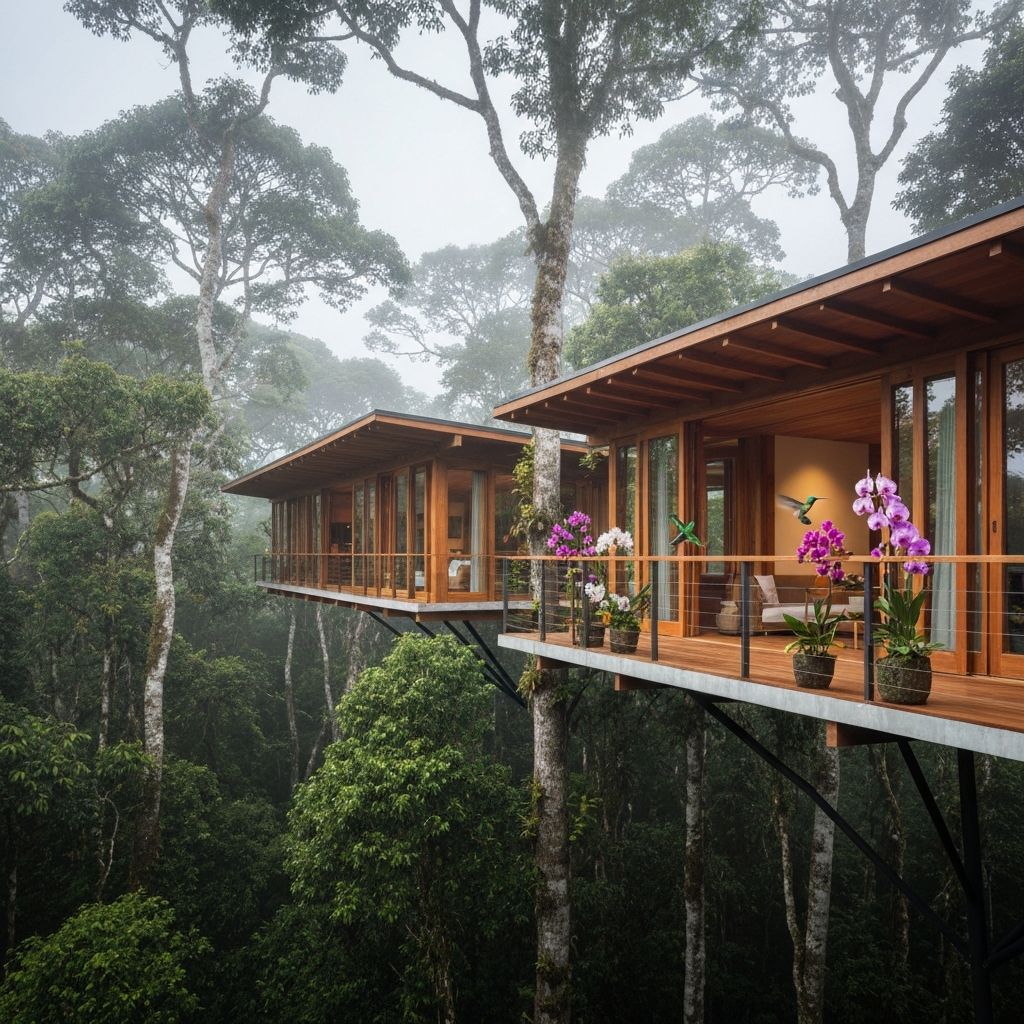
Costa Rica's Monteverde — the cathedral of green
The Galápagos' Sustainable Expedition Yachts: Science and Serenity on the Equator
There is only one correct way to experience the Galápagos Islands, and that is slowly, silently, and from the water. The archipelago that rewrote humanity's understanding of life on Earth is now the proving ground for a new generation of sustainable expedition yachts — vessels that move through these protected waters on hybrid diesel-electric engines, leave no anchor damage to the seabed, and carry marine biologists whose role is both guide and guardian.
The finest yachts operating in this category carry between eight and sixteen guests, ensuring that shore excursions remain intimate and impact is minimised. Solar panels integrated into the superstructure power all on-board lighting and climate systems. Water is generated through reverse osmosis rather than carried in plastic containers. Food waste is composted and transferred to land-based facilities on the inhabited islands. The Galápagos National Park Authority grants operating licences only to vessels that meet an increasingly demanding set of environmental criteria, and the best operators treat these restrictions as a design brief rather than a burden.
Guest cabins on these vessels are studies in considered elegance. Teak joinery, hand-stitched leather, and natural stone surfaces create an interior warmth that belies the technical sophistication surrounding it. The upper deck observation lounge — where marine iguanas occasionally climb aboard at anchorage — functions as a floating salon, with binoculars, identification guides, and a resident naturalist available at all hours.
The experience of snorkelling with sea lions at Punta Espinoza, or watching a blue-footed booby perform its courtship dance at arm's length on Española, carries a weight that no spa treatment, no Michelin star, and no thread-count can replicate. The Galápagos does not offer luxury as an escape from reality. It offers reality as the most profound luxury of all.
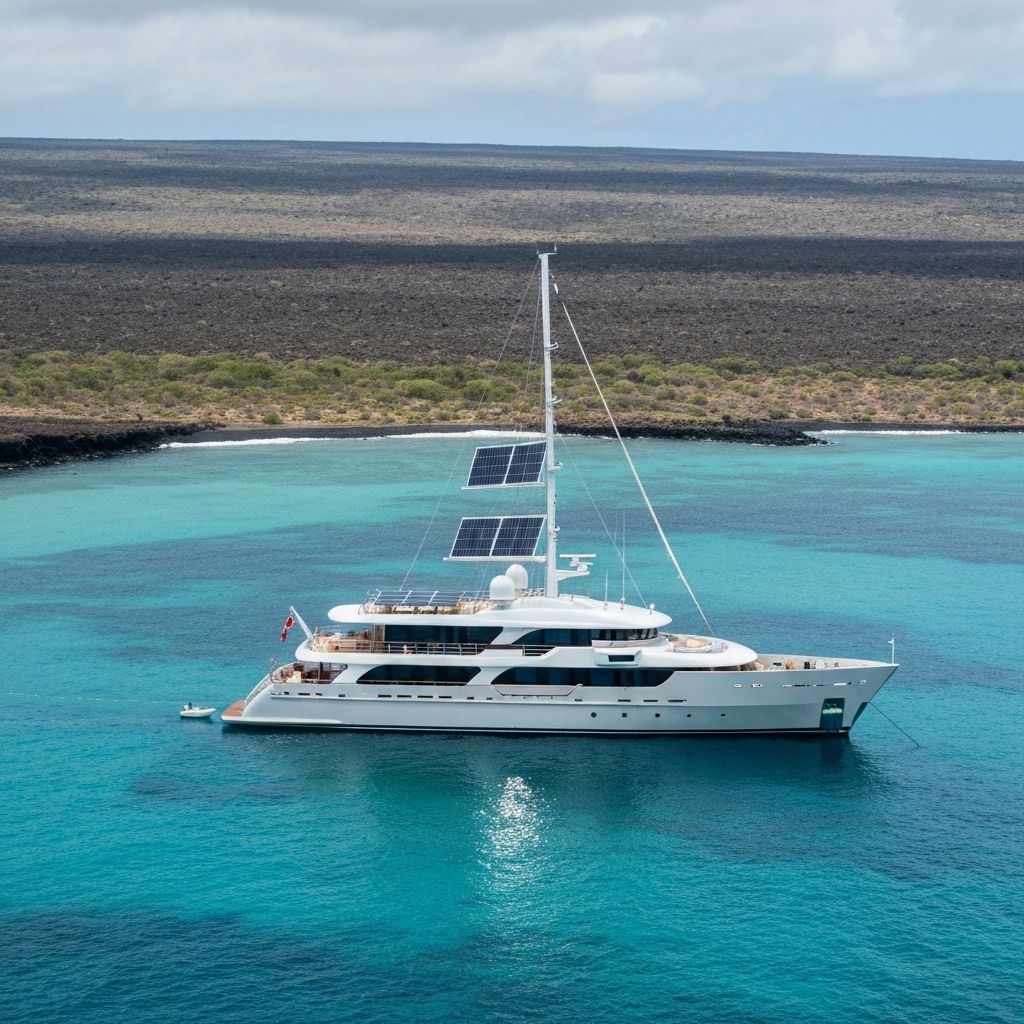
The Galápagos — where sustainable yachts carry science and serenity together
South Africa's Zero-Impact Luxury Safaris: Conservation as the Highest Form of Hospitality
In the private game reserves bordering Kruger National Park, a revolution in hospitality philosophy has been quietly underway for over a decade. The leading luxury safari properties — those operating on the principle that their presence should leave the land richer than they found it — have developed a model of zero-impact luxury that is now studied by hotel developers across the world.
The lodges themselves are extraordinary architecturally: elevated walkways connect guest suites to the main lodge without disturbing soil compaction patterns below. Rooftops are planted with indigenous grasses that provide insulation and support pollinator species. All water used on the property is collected from rainfall, treated, and returned to the watershed. Food waste is processed in biodigesters that generate cooking gas. The net carbon contribution of these properties, when conservation programmes are factored in, is measurably negative.
Guest suites at the finest properties combine raw materiality with extraordinary comfort: rough-hewn granite from the reserve itself, recycled hardwood floors, hand-thrown ceramic basins, and beds positioned beneath open thatched roofs so that guests fall asleep to the sound of a hyena calling across the darkness. Private plunge pools are positioned to face the waterhole, where elephant, lion, and leopard take water at dawn.
Each stay directly funds anti-poaching ranger patrols, community education programmes in the villages surrounding the reserve, and the rewilding of previously degraded land. The leading properties have collectively contributed to the recovery of lion, wild dog, and cheetah populations to levels not seen in the region since the early twentieth century. To stay here is not merely to observe conservation — it is to fund it.
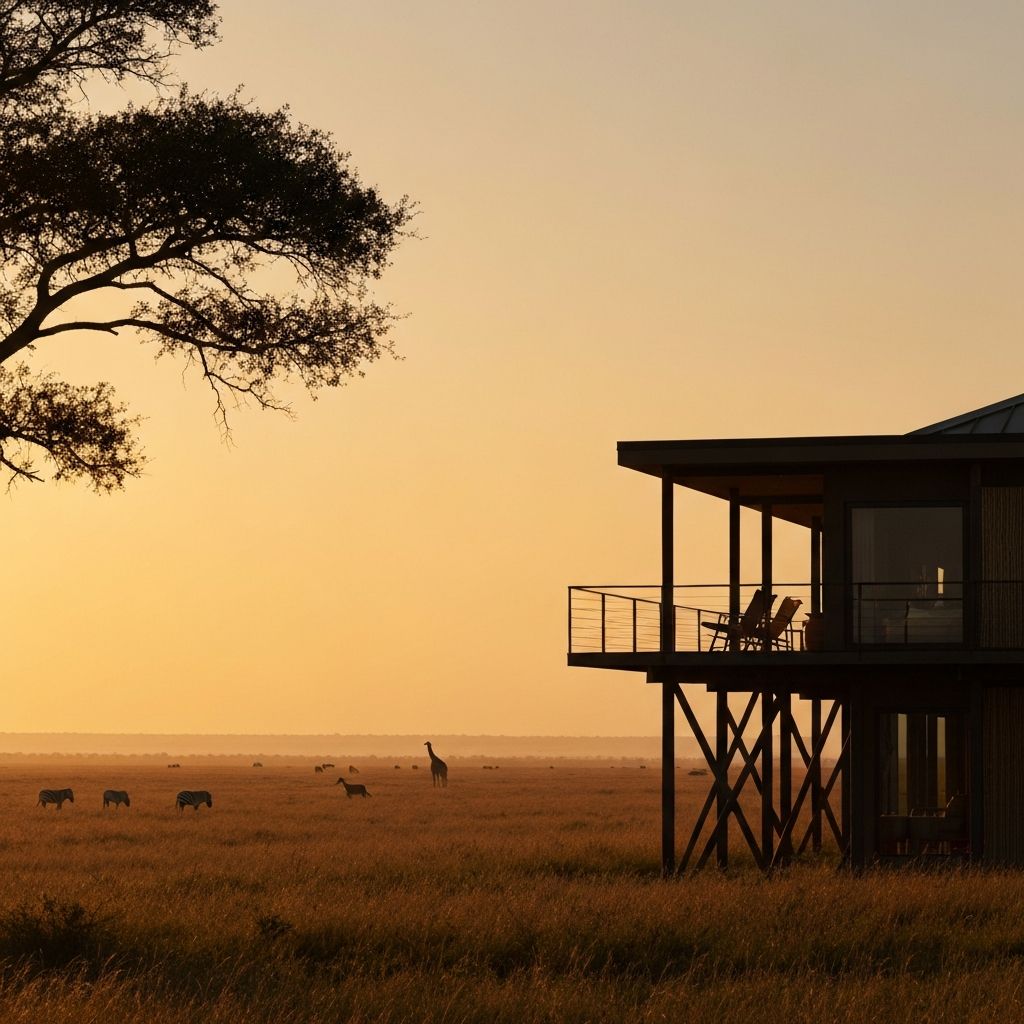
South Africa's private reserves — where conservation is the architecture
The Philosophy of Conscious Luxury: Why Sustainability Is the New Exclusivity
The convergence of sustainability and exclusivity is not accidental. It is the product of a fundamental shift in what the world's most discerning travellers understand luxury to mean. For the previous generation, luxury was defined by abundance: the most square metres, the most staff per guest, the most rare and resource-intensive ingredients. For the current generation of sophisticated travellers, abundance has given way to rarity — and nothing is rarer than a pristine ecosystem, a silent seascape, or a horizon unpunctuated by human infrastructure.
The most exclusive properties in the world are now those with the smallest ecological footprints, not the largest. Waiting lists for the finest Galápagos yachts extend two years. Private island bookings in the Lofoten archipelago fill within hours of opening. A suite at a leading South African conservation property carries a rate that reflects not just the quality of the experience, but the genuine conservation work it funds.
There is also a deeply personal dimension to this shift. Travellers who have experienced the Galápagos at dawn, who have heard a cloud forest wake up around them, who have watched an elephant family move through land that their stay helped protect — these travellers return home changed. Not in the dramatic, Instagram-catalogued way, but in the quiet, structural way that rewires priorities and reshapes the way one moves through the world.
How to Choose Your Sustainable Sanctuary: A Practical Guide
The language of sustainability has been co-opted by the marketing industry with such enthusiasm that meaningful certification has become essential. When selecting a luxury ecotourism property, look for independent verification from organisations such as the Global Sustainable Tourism Council, Rainforest Alliance, or — for safari properties — the Fair Trade Tourism certification. These bodies conduct unannounced audits and assess properties against more than two hundred environmental and social criteria.
Beyond certification, the most reliable indicators of genuine sustainability are those that are hardest to fake: the number of local staff in senior positions, the proximity of the food supply chain, the presence of on-site conservation or research programmes, and the property's relationship with surrounding communities. The finest properties in this guide all score exceptionally on these measures — not because they have been told to, but because they were designed around these values from the first stone laid.
Timing also matters. Norway's islands are most extraordinary between May and August, when the midnight sun creates conditions that exist nowhere else on Earth. Costa Rica's dry season, January through April, offers the clearest forest visibility and the most dramatic wildlife activity. The Galápagos is accessible year-round but offers different experiences by season: warmer, calmer waters from January to May; cooler, nutrient-rich waters and extraordinary marine life from June to December. South Africa's dry winter months, May through September, are optimal for game viewing as vegetation thins and wildlife concentrates around water sources.
The Deeper Return: What Sustainable Luxury Gives Back
The economics of conservation-based luxury are, counterintuitively, among the most robust in the entire hospitality industry. Properties that have invested in genuine sustainability report higher average daily rates, longer booking windows, significantly higher rates of return guests, and stronger brand loyalty than comparable conventional luxury properties. The guests who choose these experiences are among the most educated, most affluent, and most discerning in the world — and they are willing to pay a premium for authenticity that no amount of marble or gold leaf can replicate.
But the return runs deeper than revenue. The forests protected by these lodges sequester carbon on behalf of the global atmosphere. The marine reserves supported by responsible yacht operators shelter biodiversity that sustains fisheries communities thousands of kilometres away. The anti-poaching programmes funded by safari guests protect species whose survival influences ecosystem health across entire subcontinents. When you choose sustainable luxury, the transaction extends far beyond the exchange between guest and property.
This is why the most meaningful luxury journeys of the coming decades will be defined not by what they consume, but by what they preserve. The most extraordinary destinations in the world — the ones that fill a traveller's memory long after the champagne has been forgotten — are those that exist in integrity with their environment. They are places where luxury and responsibility have ceased to be opposites and have instead become, quietly and magnificently, the same thing.
Continue the Journey
Deepen your exploration with these curated guides from the Mystical Beach collection.
The Mystical Beach Journal
Receive Whispers from the Shore
Curated dispatches on sustainable luxury, hidden sanctuaries, and the world's most ethical celebrations — delivered in stillness.
Rate This Experience
Your feedback helps us curate exceptional content