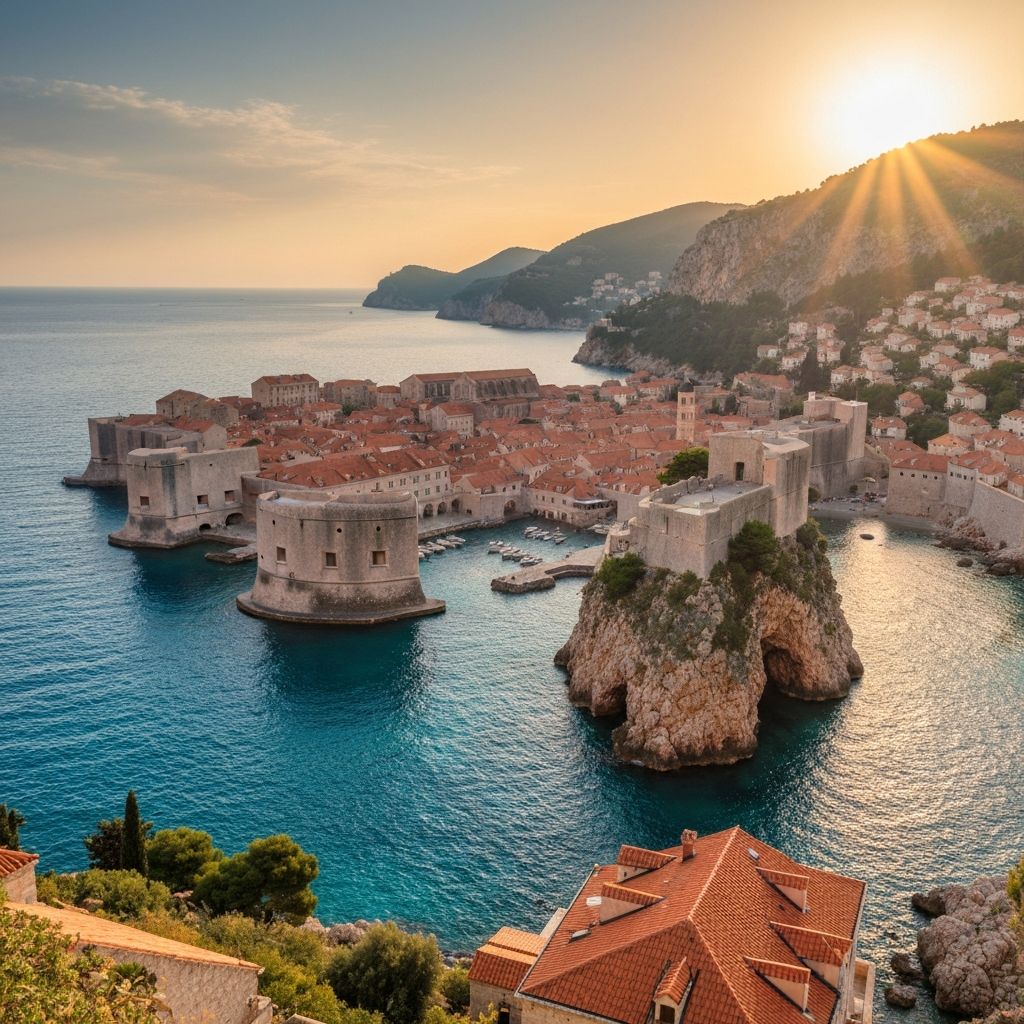
The Adriatic coast has quietly emerged as Europe's most compelling answer to the question: Where can we celebrate in transcendent beauty without the weight of Italian or French price tags? Croatia—with its thousand islands, medieval fortresses, and UNESCO-protected coastline—offers the same turquoise luminosity and stone-built charm of the Mediterranean's most storied destinations, but with a refreshing embrace of accessibility.
This is not "budget luxury." This is smart luxury—a new paradigm where excellence is measured not by exclusivity alone, but by the seamless integration of heritage, natural splendor, and hospitality that feels personal rather than performative. For couples seeking a wedding venue that rivals Positano's vertical drama or wellness seekers craving the crystalline calm of the Cyclades, Croatia delivers on every front while inviting you to leave room in your budget for the experiences that truly matter: private wine tastings in Istrian vineyards, sunset sails through the Kornati archipelago, and mornings waking to the scent of lavender drifting through stone villa windows.
Croatia vs. Italy: Why the Dalmatian Coast is the New Frontier of Luxury
While our Master Guide to Tuscany and Amalfi explores the heart of the Renaissance, Croatia offers a similar ethereal beauty with a unique Slavic twist—one where Latin elegance meets Byzantine mystique. The Dalmatian Coast mirrors Italy's maritime grandeur, yet remains untouched by the over-tourism that strains Venice and Cinque Terre. Here, the medieval walled cities feel lived-in rather than museumized, the coves remain pristine, and a five-course tasting menu paired with local Plavac Mali wines might cost half of what you'd pay in Tuscany.
The Croatian advantage extends beyond value. With more than 1,200 islands dotting the Adriatic, the country offers an unparalleled diversity of landscapes within compact distances—from the rugged Istrian peninsula in the north, where truffle-scented forests meet the sea, to the sun-drenched archipelagos of central Dalmatia, where you can sail between secluded bays without ever encountering another vessel. The infrastructure has matured quietly over the past decade, welcoming boutique hotels, Michelin-recognized chefs, and yacht charters that rival any Mediterranean offering, all while preserving the authentic character that makes Croatia feel like a discovery rather than a destination.
Dubrovnik's Old World Glamour: Planning a Fortress Wedding
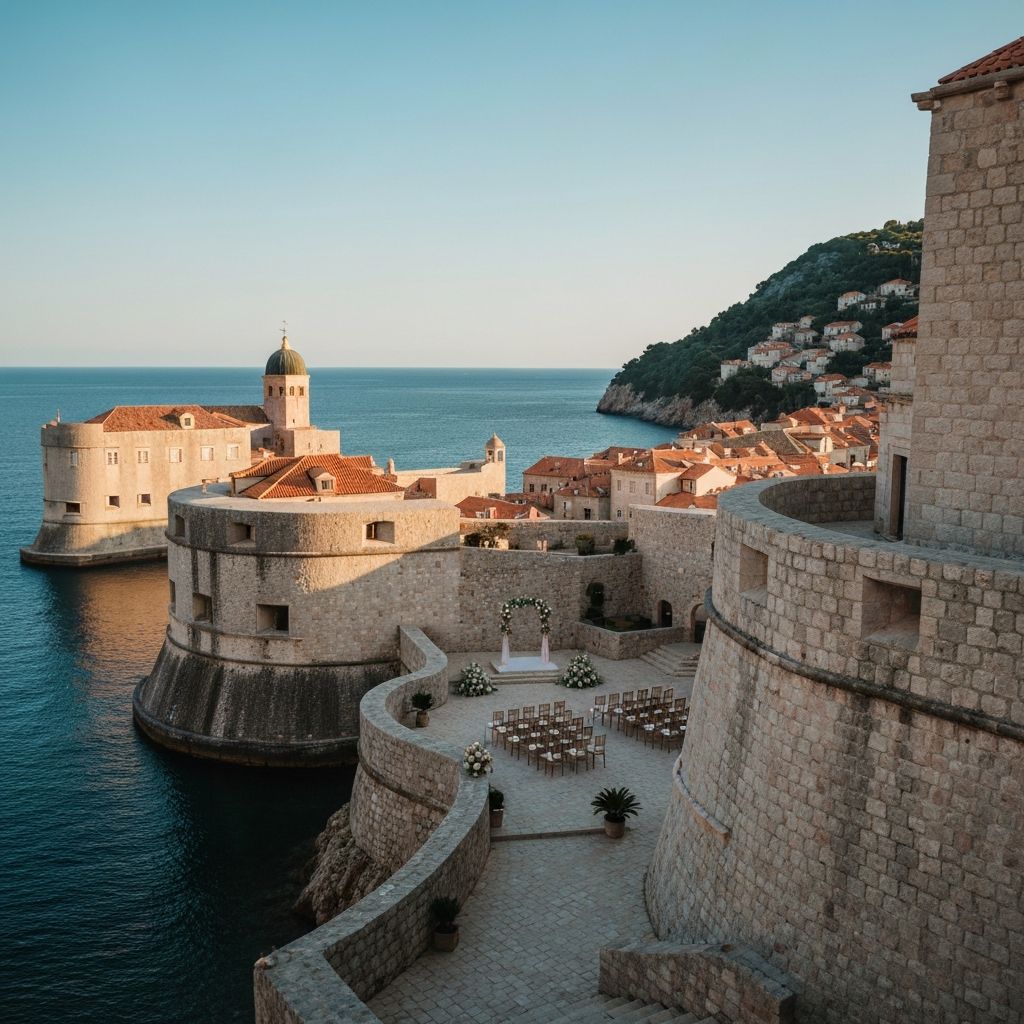
Dubrovnik—the "Pearl of the Adriatic"—has enchanted travelers since the Republic of Ragusa ruled these waters in the Renaissance. Today, the city's limestone walls and Baroque palaces provide a wedding backdrop that rivals any European château, with the added drama of the Adriatic Sea stretching to the horizon. Imagine exchanging vows within the 16th-century Fort Lovrijenac, perched on a cliff 37 meters above the sea, or hosting an intimate ceremony in the cloistered courtyard of a former Dominican monastery, where candlelight flickers against Gothic arches.
Logistics are surprisingly streamlined. Croatia welcomes foreign civil ceremonies with minimal paperwork—typically requiring only passports and a certificate of no impediment from your home country, submitted at least three business days in advance. The city's wedding planners have refined the art of orchestrating multi-day celebrations, from pre-wedding wine tastings in nearby Pelješac peninsula vineyards to post-ceremony boat transfers to the Elafiti Islands. Accommodation ranges from converted palazzos within the Old Town walls to contemporary five-star resorts in Ploče Bay, many offering exclusive venue buy-outs for groups of 50 to 150 guests. Peak season (June through September) commands premium pricing, but shoulder months like May and October deliver the same golden-hour light with fewer crowds and 30-40% cost savings.
Hvar Island: The Affordable Saint-Tropez of the Adriatic
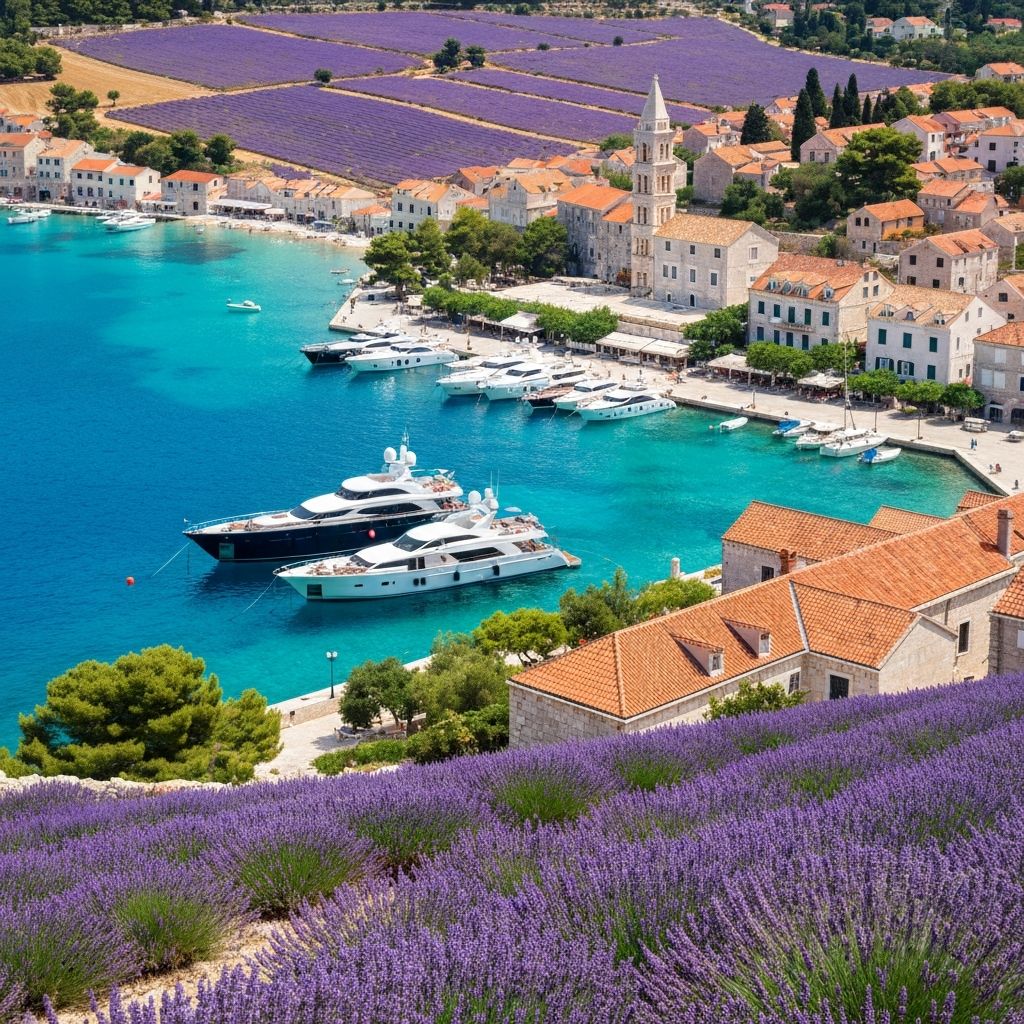
Hvar has earned its reputation as the Adriatic's answer to Saint-Tropez, drawing the yachting set with its limestone harbor, Renaissance square, and hillsides carpeted in lavender that bloom purple each June. Yet unlike its French counterpart, Hvar remains refreshingly unpretentious. The island balances glamour with authenticity—you'll find superyachts moored alongside local fishing boats, and Michelin-quality dining served in family-run konobas where the chef is likely the owner's grandmother.
For weddings and extended retreats, Hvar offers a spectrum of venues at approximately 40-50% below Saint-Tropez equivalents. Consider the clifftop estates above Milna Bay, where infinity pools seem to pour directly into the sea, or the restored stone villas in the island's interior, where ceremonies can be held among centuries-old olive groves with the scent of wild rosemary in the air. The island's compact size (68 km long) means you're never more than 20 minutes from a hidden cove—Dubovica, Zaraće, and Sveta Nedjelja rank among the Adriatic's most photographed beaches, yet remain uncrowded even in August. Hvar Town's nightlife provides optional energy for those who want it, but the island's true luxury lies in its quiet corners: terraced vineyards producing indigenous Bogdanuša whites, medieval villages like Stari Grad where time moves at a different pace, and the offshore Pakleni Islands, where you can sail in complete solitude.
Hidden Bays: Finding Secluded Luxury Villas at a Fraction of the Price
Croatia's thousand-island geography creates countless opportunities for true privacy—not the manufactured kind behind hotel gates, but the organic seclusion of properties accessible only by boat or winding coastal roads. The country's villa rental market has exploded in sophistication over the past five years, offering architect-designed properties with infinity pools, private beaches, and on-site concierge services at prices that would barely rent a modest apartment in Capri or Mykonos.
Focus your search on lesser-known islands like Brač (home to Zlatni Rat beach), Vis (once a Yugoslav military base, now delightfully undeveloped), and the southern Elafiti archipelago. These islands offer waterfront estates ranging from €3,000 to €8,000 per week for properties sleeping 8-12, complete with private chefs, daily boat transfers, and dedicated wedding coordination if needed. Many villas feature traditional Dalmatian stone construction updated with contemporary interiors—exposed beam ceilings, polished concrete floors, floor-to-ceiling glass opening to the sea. The beauty of this approach is flexibility: you control the entire schedule, from dawn yoga sessions on the terrace to midnight feasts of grilled octopus and local oysters, without the constraints of hotel dining hours or wedding venue timeslots. For multi-generational celebrations or intimate elopements with just a handful of guests, these hidden villas represent Croatia's ultimate expression of accessible luxury.
Gastronomy: From Fresh Oysters in Ston to Istrian Truffles
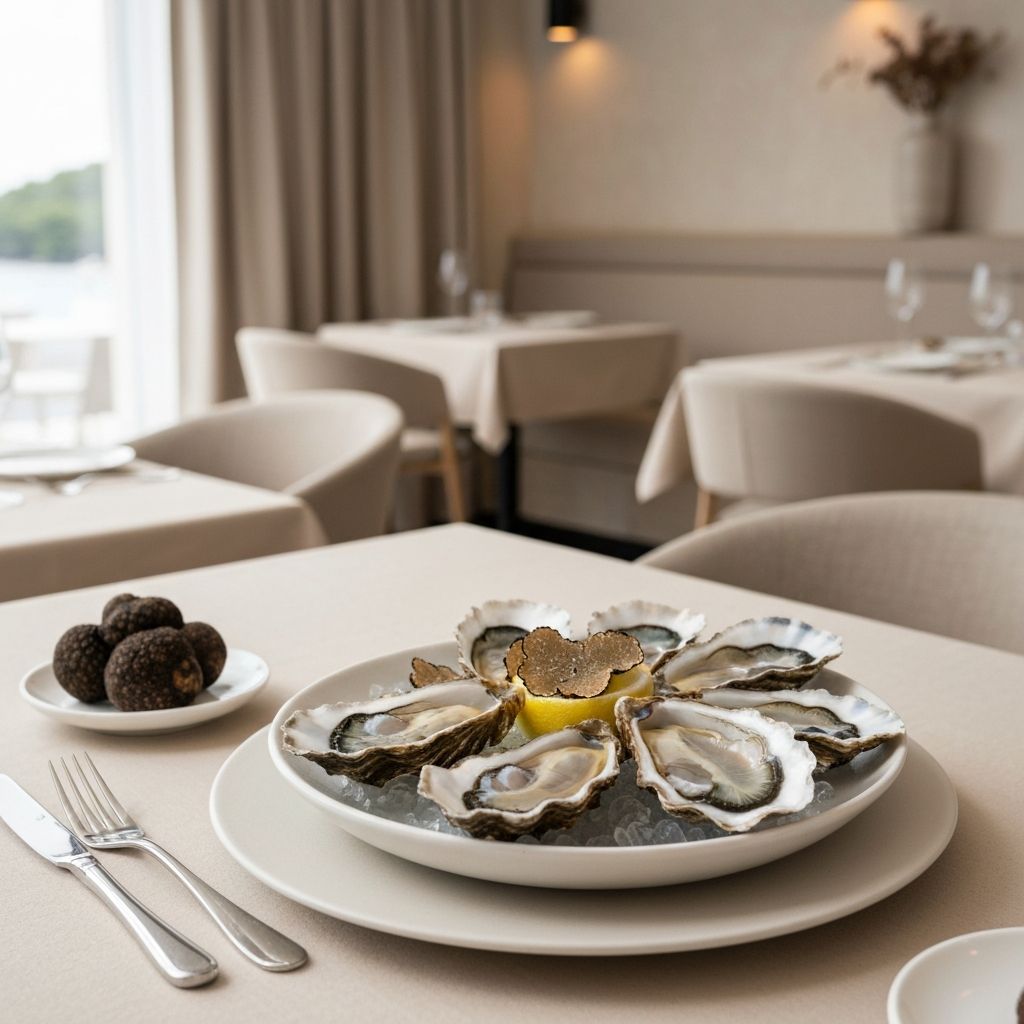
Croatian cuisine inhabits a fascinating intersection: Italian technique meets Balkan heartiness, with Ottoman and Venetian influences layered through centuries of trade. The result is a food culture that prizes simplicity and provenance—think line-caught dentex grilled over charcoal, dressed only with Istrian olive oil and sea salt, or black risotto stained with cuttlefish ink and finished with a shaving of local white truffles. Michelin has taken notice: Pelegrini in Šibenik and Monte in Rovinj have earned stars, while a constellation of Bib Gourmand restaurants proves that exceptional dining needn't cost a fortune.
For wedding menus and wellness retreat dining, lean into Croatia's regional specialties. In Dalmatia, that means seafood pulled from waters just offshore—oysters from the Ston peninsula (rivaling Brittany's in salinity and sweetness), Adriatic scampi, and octopus peka (cooked under a bell-shaped lid with potatoes and rosemary). Istria, in the north, brings continental richness: wild asparagus, hand-rolled fuži pasta, and above all, truffles—white truffles comparable to Alba's but at a fraction of the price, hunted in the forests around Motovun and Buzet. Croatian wines have quietly become world-class, with indigenous varietals like Plavac Mali (red) and Pošip (white) offering compelling alternatives to Italian and French standards. A seven-course tasting menu with wine pairings at a top Croatian restaurant might cost €80-120 per person—excellent value for cuisine that holds its own against any Mediterranean standard.
Sailing the 1,000 Islands: Private Charters and Hidden Coves
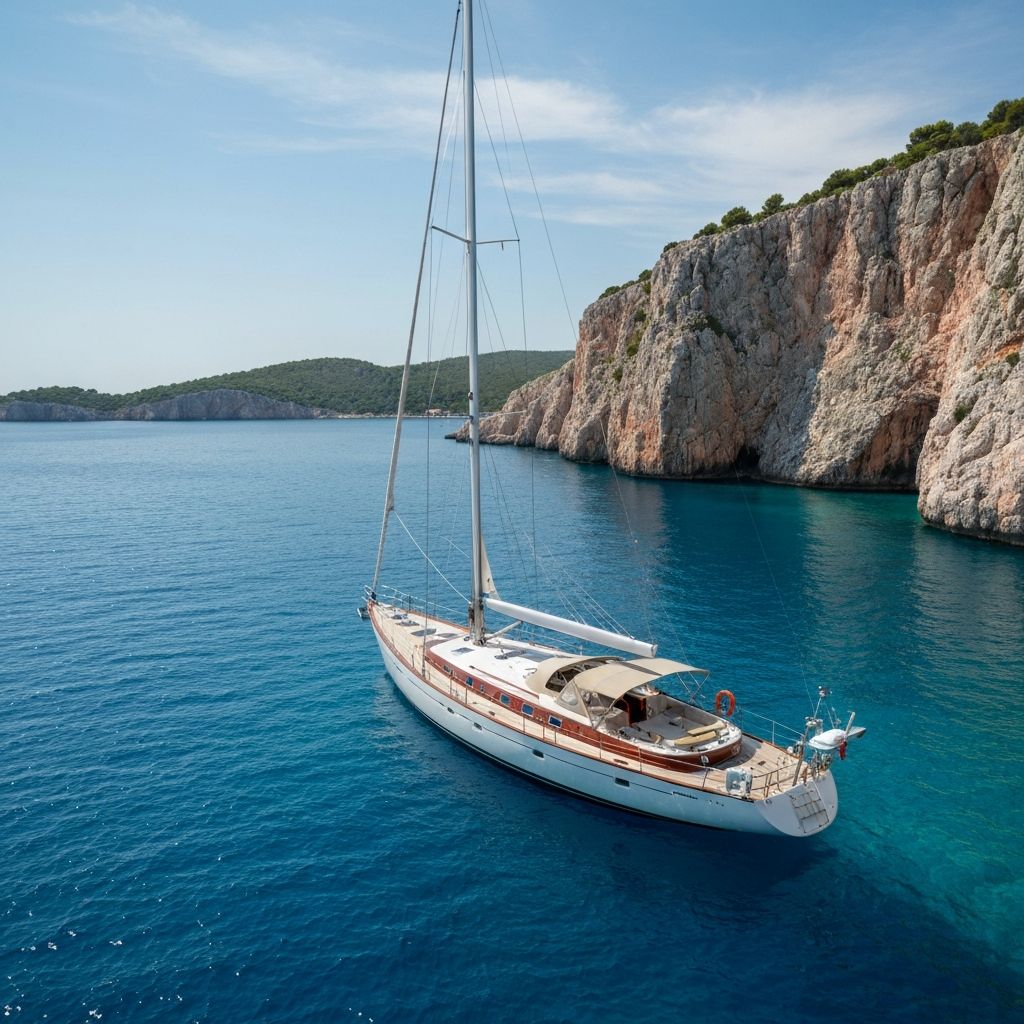
Croatia ranks among the world's premier sailing destinations, with consistent summer winds, calm seas, and island-hopping routes that reward both novice sailors and seasoned captains. For wedding groups and wellness retreats, chartering a crewed yacht or catamaran offers unmatched flexibility—wake in a different bay each morning, swim in waters so clear you can see 30 meters to the seabed, and anchor for private beach picnics where no road reaches.
The Kornati National Park, an archipelago of 89 islands, represents sailing at its most elemental: no permanent settlements, just limestone cliffs rising from turquoise shallows, where the only sounds are wind and water. A week-long charter aboard a 50-foot catamaran with skipper and chef costs approximately €6,000-10,000 (depending on season and vessel), accommodating 8-10 guests—a fraction of Caribbean or Greek island equivalents. Routes can be tailored endlessly: from Split, you might sail south to Hvar and Vis, then continue to Korčula (birthplace of Marco Polo) before returning via Brač. Northern routes from Zadar explore the wilder Kornati and less-visited islands like Dugi Otok. Many couples incorporate a "sea day" into their wedding itinerary—hosting a post-ceremony brunch aboard, sailing to a secluded cove for swimming and champagne, then returning to land for the evening reception. This integration of movement and stillness, adventure and contemplation, defines the Croatian approach to luxury: experiences that feel expansive rather than constrained.
Sustainable Adriatic: Eco-Conscious Travel in Croatia's National Parks
Croatia has protected nearly 10% of its territory within national parks and nature reserves, demonstrating a commitment to conservation that predates the current eco-luxury trend. Eight national parks showcase the country's geographic diversity—from the otherworldly travertine lakes of Plitvice to the karst canyons of Krka, where waterfalls cascade through forest accessible via wooden boardwalks. These protected landscapes offer opportunities to ground your celebration or retreat in natural wonder, with minimal ecological footprint.
Sustainable practices extend beyond park boundaries. A growing cohort of Croatian hotels and villas pursue green certifications: solar heating, rainwater harvesting, zero-waste kitchens sourcing from local organic farms. On islands like Lastovo (designated a nature park in 2006), development is strictly limited, preserving dark skies for astronomy and waters clean enough for wild dolphin encounters. For wellness retreats focused on environmental connection, consider Mljet National Park, where over 70% of the island remains forested, or the Biokovo Nature Park above Makarska, where hiking trails climb to 1,762 meters with views encompassing the entire Dalmatian coast. Choosing Croatia means embracing a destination still in balance—where luxury coexists with ecology, and where the next generation will inherit coastlines as pristine as those we enjoy today.
Croatia represents a fundamental reimagining of what accessible luxury means in the 21st century. Here, you don't compromise on beauty, cuisine, or service—you simply refuse to overpay for the privilege of experiencing them. The Adriatic coast offers everything the Mediterranean's iconic destinations promise: sun-warmed stone, impossibly blue water, cuisine rooted in place, and history that saturates every street and seawall. Yet it delivers these gifts with a generosity and authenticity that feels increasingly rare in our commodified age.
For couples planning a coastal wedding, or seekers designing a transformative wellness retreat, Croatia opens a portal to experiences that feel both timeless and entirely fresh. This is smart luxury—the kind that leaves you richer in memory, connection, and wonder, without the weight of excess expenditure. The secret is quietly out, but the Adriatic remains vast enough to absorb discovery without losing its essential character. Come before the thousand islands become too well known. Come while the coves still feel like your private revelation. Come, and understand why this sliver of coast represents the Mediterranean's next great chapter.
Rate This Experience
Your feedback helps us curate exceptional content